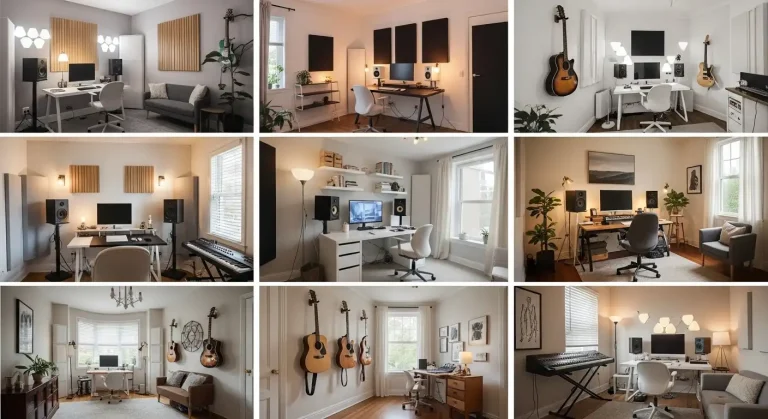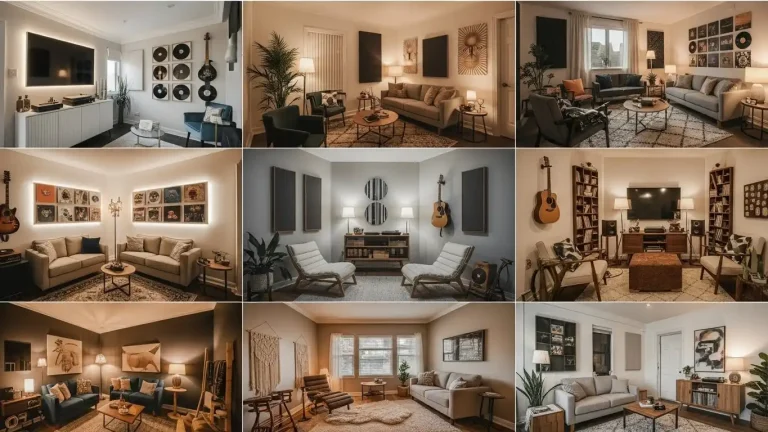

23 Music Room Ideas Home Studio
Creating the perfect music space at home can transform both your creativity and productivity. With 23 music room ideas home studio, you can design a space that’s functional, stylish, and inspiring without needing a professional setup. Whether you play instruments, record vocals, or produce tracks digitally, a well-organized and aesthetically pleasing studio makes every session more enjoyable. From clever storage solutions to acoustic adjustments, these ideas help you balance style and function. You can create a space that reflects your personality while making the most of your available room. Even small or shared spaces can become inspiring creative studios with the right design choices.
These 23 music room ideas home studio focus on practical improvements and visual appeal. Proper layout, effective lighting, and smart furniture arrangements improve workflow, while decorative touches like posters, plants, and lighting accents add personality. You’ll discover tips for soundproofing, cable management, and ergonomic setups that keep the space comfortable for long sessions. This guide is perfect for beginners, hobbyists, or serious home producers looking to create a professional-feeling environment without breaking the budget. Each idea is actionable, affordable, and designed to make your studio both functional and visually inviting.
1. Acoustic Foam Panels for Better Sound
Acoustic foam panels are essential for reducing echo and controlling sound reflections in a home studio. They can be placed on walls, ceilings, or corners where sound bounces the most. By using foam in key areas, you’ll hear clearer audio and improve recording quality. Panels come in various colors and patterns, so you can coordinate them with your studio decor. Even a small number of strategically placed panels can make a noticeable difference. Acoustic foam is a practical yet stylish solution that supports both performance and aesthetics, creating a professional-sounding space in any room, regardless of size.

2. Floating Shelves for Instruments
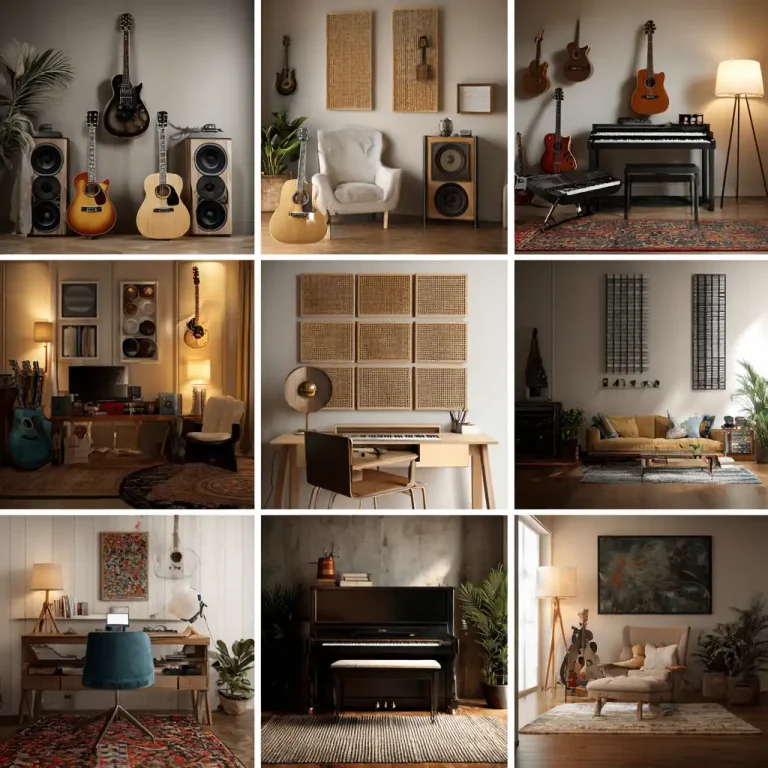
Floating shelves are a great way to store instruments and accessories while keeping your music room organized. Use shelves to display guitars, keyboards, or small percussion instruments. Shelves help reduce clutter on the floor and keep everything within reach for practice or recording sessions. Paint or stain the shelves to match your studio theme, whether modern, rustic, or colorful. You can even add LED lights underneath for a stylish accent. This DIY-inspired storage solution combines functionality and design, ensuring your equipment is safe and visually integrated into the room while making your space feel more open and creative.

3. Desk Setup for Home Recording
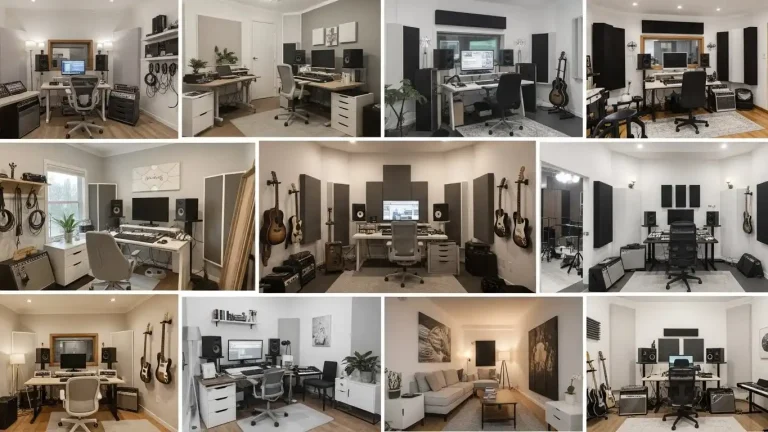
A dedicated desk setup is crucial for any home studio. Position your computer, audio interface, MIDI controller, and monitors ergonomically to maximize comfort and efficiency. Keep cables tidy using clips, sleeves, or trays to avoid tangles. Choose a desk that fits your room without feeling cramped and provides enough surface area for instruments or mixing tools. Adding a small monitor stand or speaker risers ensures optimal sound quality. This setup creates a functional workflow that supports both recording and production. A well-planned desk not only improves productivity but also contributes to a visually clean and organized music space.

4. Wall-Mounted Guitar Racks
Wall-mounted guitar racks save space and showcase your instruments beautifully. They keep guitars secure, off the floor, and easily accessible for practice or recording. Choose racks that match your studio decor—wood for a warm, classic look, or metal for modern industrial vibes. Position the guitars where they are visually appealing but also practical for daily use. Adding wall racks enhances both aesthetics and functionality, giving your music room a professional feel. With this setup, instruments become part of the room’s visual identity while remaining fully functional for creative work.

5. Adjustable Lighting for Mood and Focus
Lighting plays a huge role in creating the right atmosphere for music production. Adjustable desk lamps, RGB LED strips, or wall-mounted lights allow you to switch between bright, focused lighting for work and soft, colorful tones for inspiration. Position lighting to reduce screen glare and highlight instruments or equipment. Combining ambient, task, and accent lighting gives your room depth and personality. Thoughtful lighting not only improves your mood and focus but also enhances the visual appeal of your home studio. It’s an easy upgrade that adds both function and style.

6. Cable Management Solutions
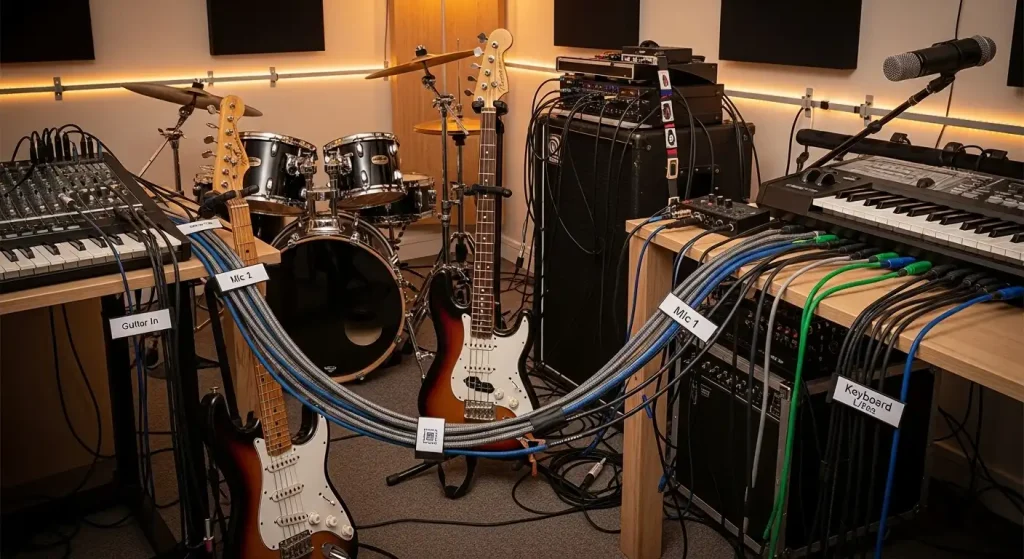
Tidy cables are essential for a functional music room. Use cable clips, sleeves, and trays to keep power cords, audio cables, and instrument leads organized. Untangled cables reduce distractions, prevent accidents, and make the room visually cleaner. Labeling cables also saves time when switching setups or troubleshooting. Effective cable management keeps your equipment accessible and the studio space neat. It’s a simple but crucial step that combines practicality with aesthetics, creating a more professional and enjoyable music-making environment.
7. Soundproofing Curtains
Soundproofing curtains help reduce external noise while enhancing the room’s acoustics. Thick, heavy curtains block unwanted sound from windows and soften reflections inside the studio. They are especially useful in apartments or shared houses where noise control is important. Choose curtains in colors or patterns that complement your room’s theme. Beyond acoustic benefits, these curtains add warmth and texture to the space. They are an affordable, flexible, and visually pleasing solution for anyone looking to improve both the functionality and aesthetics of their home music studio.
8. Rolling Equipment Carts
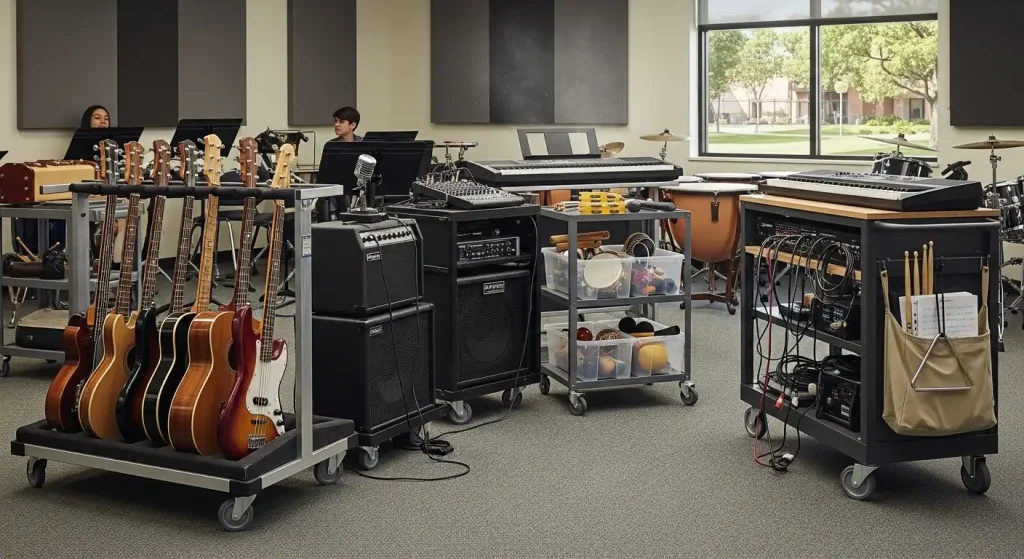
Rolling carts are a practical addition to any home studio. They allow you to keep audio interfaces, pedals, mixers, or other frequently used equipment within easy reach while staying organized. Choose carts with multiple tiers or drawers for maximum storage. You can move the cart around as needed, making it flexible for different recording setups or jam sessions. Adding labels or small organizers on the cart keeps accessories tidy. Rolling carts save space, reduce clutter, and make your workflow smoother. They also contribute to a professional and functional studio aesthetic without taking up permanent space.

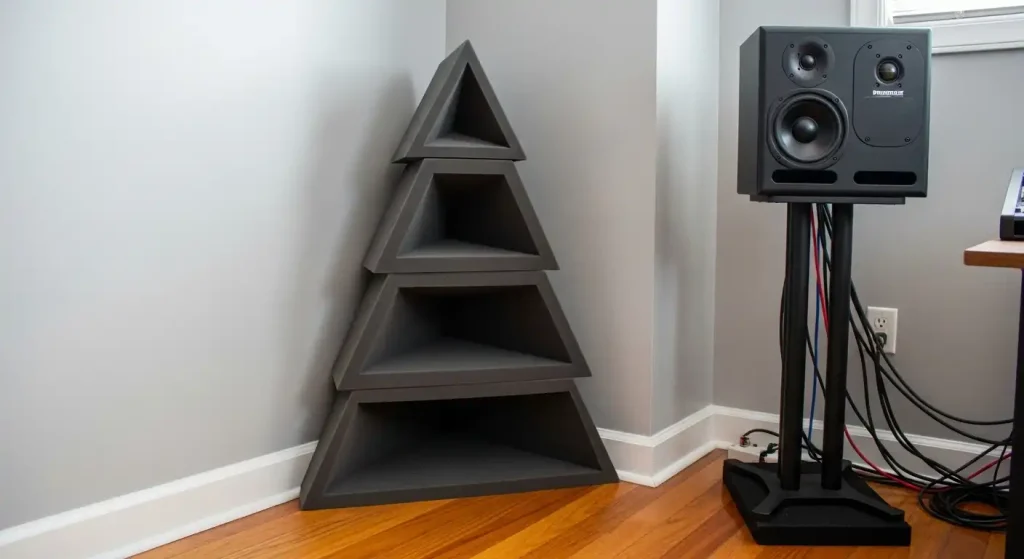
9. Acoustic Corner Bass Traps
Bass traps in room corners are essential for controlling low-frequency sound buildup. Place them in corners where bass tends to accumulate to prevent muddiness in your recordings. They improve clarity and make your mixes sound more accurate. Foam, fiberglass, or DIY panels wrapped in fabric can serve as effective bass traps. They don’t need to be expensive but should be positioned carefully for maximum effect. Bass traps also add a visual texture to your studio, creating a professional look. With proper placement, your music room becomes a balanced, controlled, and comfortable environment for any type of audio work.
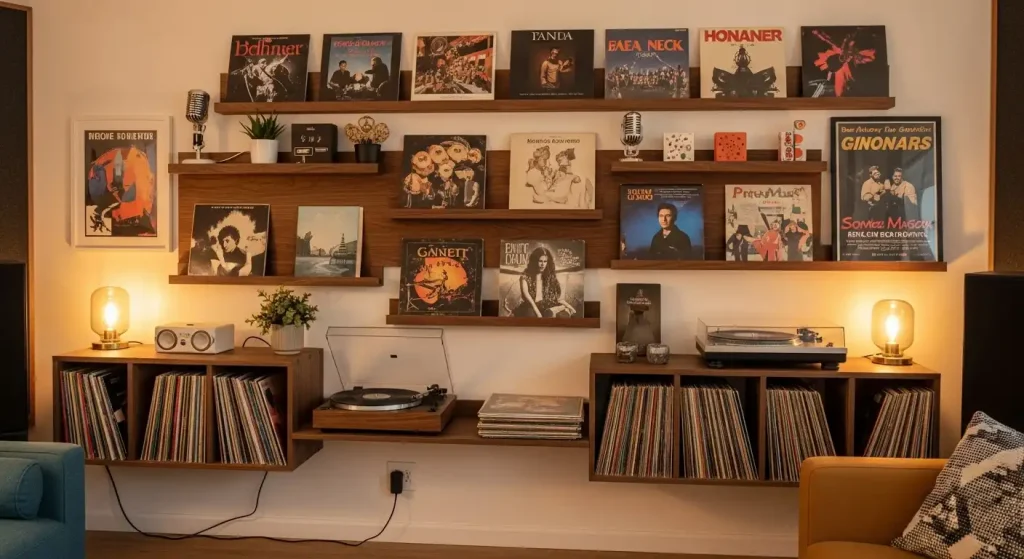
10. Wall-Mounted Shelves for Vinyl Records
If you’re a music enthusiast with a vinyl collection, wall-mounted shelves offer a stylish and practical solution. Arrange your records vertically for easy browsing and quick access. Choose shelves that match your studio theme—wood for warmth or metal for a sleek, modern feel. Adding a few decorative accents like small plants or LED lights makes the display visually appealing. Wall-mounted shelves save floor space while keeping your collection organized and accessible. They double as decor and functional storage, creating a music room that’s both inspiring and aesthetically pleasing. Vinyl shelves make the space feel personalized and professional.
11. Ergonomic Studio Chair
A comfortable, ergonomic chair is essential for long recording or mixing sessions. Look for adjustable height, lumbar support, and smooth swivel functionality. Proper posture helps prevent fatigue and keeps you focused during creative work. Choose a chair that fits your studio decor while offering maximum comfort. A chair with a sleek design or stylish color can enhance the overall aesthetic of your space. Combining function with style ensures that your home studio is not only productive but also visually appealing. Investing in a quality chair improves both your workflow and your physical well-being over time.
12. DIY Cable Hooks and Holders
Cable hooks and holders prevent tangled cords and keep your home studio organized. Install hooks on the wall, under desks, or on equipment racks to store guitar leads, USB cables, and headphone wires. This DIY solution is affordable and easy to customize to your space. Label each hook to quickly identify specific cables and reduce setup time. Keeping cables off the floor also prevents accidents and makes the studio safer. Organized cables make your setup efficient and give the room a polished, professional look. It’s a small detail that significantly improves workflow and studio aesthetics.
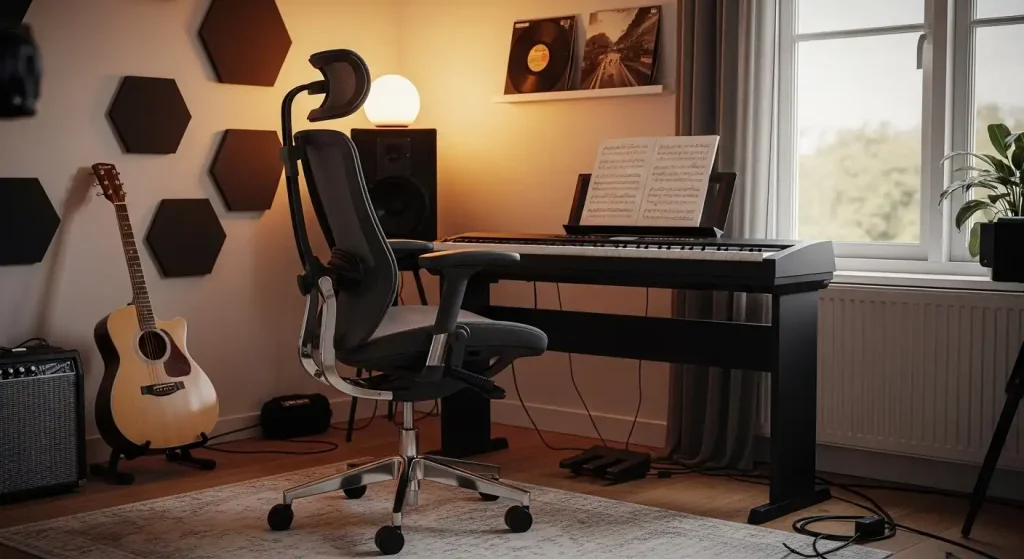
13. Studio Rugs for Acoustics
Adding a rug to your studio improves both sound quality and style. Rugs absorb reflections from hard floors, helping reduce echo and improve acoustics. Choose a rug that matches your room’s color palette and style—soft patterns for a cozy look or bold textures for visual impact. Place the rug under your desk, instruments, or recording area for maximum effect. Rugs also make the space more comfortable for long sessions, providing a soft area to stand or move around. This simple addition improves both functionality and aesthetics, creating a more inviting and professional-feeling home studio.

14. Personalized Wall Art and Posters
Decorate your studio walls with music-themed posters, inspirational quotes, or framed artwork. This personal touch enhances creativity and gives the room a unique personality. Use frames or mounted prints to maintain a clean, organized look. Posters of your favorite artists, instruments, or iconic album covers can inspire you during work sessions. Mixing art with functional elements like acoustic panels or shelves keeps the room balanced. Personalized wall art makes the space feel motivating, fun, and visually appealing. It transforms a simple music room into a creative sanctuary where every detail reflects your style and passion for music.

15. Floating Monitor Stands
Floating monitor stands elevate your audio monitors to ear level, improving sound accuracy and reducing reflections from surfaces. They also free up desk space for instruments, mixers, or laptops. Adjustable stands let you angle speakers for optimal listening positions during recording or mixing. Pair them with acoustic panels behind the monitors for better sound quality. Floating stands not only improve functionality but also create a clean, professional look in your home studio. With proper placement, your monitors deliver precise audio while your workspace stays organized and stylish, enhancing both your workflow and the overall aesthetic of the room.

16. Wall-Mounted Instrument Hangers
Wall-mounted instrument hangers are perfect for guitars, ukuleles, or other stringed instruments. They keep instruments safe, visible, and easily accessible, while also doubling as decorative elements. Position hangers at eye level or along a feature wall to create a visually appealing display. Choose hangers that complement your studio theme, whether wood, metal, or padded designs. These hangers reduce floor clutter, save space, and make instruments part of the room’s decor. They give your studio a professional and personalized feel. With a few hooks and careful placement, you can showcase your collection while maintaining a tidy and inspiring music environment.

17. Multi-Level Keyboard Stand
A multi-level keyboard stand is essential if you have multiple keyboards, synthesizers, or MIDI controllers. Adjustable stands allow you to position each instrument comfortably for playing or recording. They prevent overcrowding on your desk while keeping your tools within easy reach. Adding small storage underneath the stand for pedals, cables, or headphones improves workflow. Choose a stand that matches your room’s style—metal for modern studios or black lacquer for sleek aesthetics. Multi-level stands optimize both space and functionality. They keep your instruments organized and your studio visually appealing, making long creative sessions more efficient and enjoyable.

18. DIY Vinyl Record Display Rack
Vinyl record racks transform a music room into a visually striking studio while storing your collection neatly. Vertical racks save floor space and make it easy to browse your records. Paint, stain, or decorate the rack to match your studio theme. Combine it with framed album covers or LED lights for extra flair. Vinyl racks turn your collection into a functional piece of decor. They also add texture and personality to the space. This DIY-friendly project balances storage and aesthetics, making your home studio feel curated, stylish, and motivating. It’s perfect for any music enthusiast wanting both beauty and practicality.

19. Acoustic Panel Frames with Artwork
Combine soundproofing and decoration with acoustic panels framed like art. Choose panels in colors that complement your studio’s palette. You can mount them individually or in patterns to create visual interest. Framing panels gives a clean, professional look and ensures they match your room’s style. This approach improves audio clarity and reduces echo while making the walls visually appealing. The frames allow customization, so you can switch colors or designs as your taste evolves. Acoustic art panels offer a balance between function and style, helping your studio feel inspiring, comfortable, and organized without sacrificing sound quality.

20. Floating Desk with Storage
A floating desk with storage maximizes workspace in a home studio. Mount the desk to the wall, leaving floor space open for equipment or seating. Drawers or shelves underneath store cables, audio interfaces, and accessories. Paint or stain the desk to match your room’s decor. This setup keeps your studio tidy, efficient, and visually spacious. Floating desks offer ergonomic advantages, allowing you to adjust height and seating easily. By combining storage and functionality, your workflow improves, and your instruments and equipment stay organized. A floating desk is both practical and stylish, enhancing the overall feel of your music room.

21. Mini Fridge or Snack Station
Adding a mini fridge or small snack station keeps refreshments within reach during long recording or practice sessions. Stock it with water, energy drinks, or healthy snacks to stay hydrated and energized. Place the station in a corner or near your desk to avoid clutter. This simple addition improves convenience and helps maintain focus during creative work. A small, stylish fridge also complements the overall aesthetic of your music room. By integrating this practical element, you create a comfortable, functional environment that supports productivity without sacrificing the style or organization of your home studio.

22. DIY LED Light Strips
LED light strips transform a home studio by adding customizable ambient lighting. Install them behind monitors, shelves, or along walls to create a vibrant, motivating atmosphere. Choose colors that match your decor or change tones to reflect your mood. LED lights enhance both the aesthetic and functionality of your studio. They can also reduce eye strain by providing indirect lighting while you work. Flexible strips allow creative placements and patterns, giving the room personality and visual depth. This inexpensive upgrade instantly makes the space feel modern, immersive, and inspiring—perfect for any type of music production or recording setup.

23. Cozy Seating Area
A cozy seating area offers a comfortable spot for listening, brainstorming, or collaborating with other musicians. Include a small sofa, cushioned chairs, or beanbags. Add soft throws and pillows to make the area inviting. Position it near your desk or recording setup to maintain workflow while relaxing. This space encourages creativity and helps during breaks, making the studio more functional and welcoming. A seating area also adds a personal touch, making your home studio feel like a complete, lived-in creative environment. Combining comfort with practicality enhances the overall atmosphere and productivity of your music room.

Conclusion
Transforming a home space into a functional and stylish music room takes thoughtful planning, creativity, and a few simple DIY solutions. With 23 music room ideas home studio, you can enhance both aesthetics and productivity while staying within your budget. From acoustic treatments to smart storage, lighting, and decor, every detail plays a role in creating a space that inspires creativity. Incorporating personal touches, ergonomic setups, and practical organization makes your studio both comfortable and efficient. Whether you’re recording, producing, or practicing, these ideas turn any room into a professional-feeling studio that motivates and reflects your personality, making music creation a joyful experience.
FAQs
1. How can I make a small room function as a music studio?
Use vertical storage, wall-mounted racks, and compact desks to save floor space. Floating shelves, pegboards, and corner acoustic panels maximize functionality. Keep cables organized and choose multi-purpose furniture to make the most of a small studio without feeling cramped.
2. Do I need expensive acoustic panels for a home studio?
Not necessarily. Affordable foam panels, DIY fabric-wrapped panels, and rugs can improve acoustics significantly. Position them strategically on walls and corners to reduce echo and optimize sound quality without high costs.
3. What’s the best lighting for a home studio?
Adjustable LED strips, desk lamps, and ambient lighting work best. Combine task and ambient lighting to reduce glare on monitors, highlight instruments, and create a creative, motivating atmosphere for recording and practice sessions.
4. How can I organize cables effectively?
Use hooks, clips, cable trays, or sleeves to route cables neatly along walls or under desks. Label cables for quick identification. Keeping cords off the floor reduces clutter and improves safety while maintaining a professional-looking studio.
5. Can I personalize my studio without affecting sound quality?
Yes. Decor such as posters, framed artwork, LED strips, and plants can add personality. Combine them with acoustic solutions like foam panels and rugs to ensure the space remains visually appealing without compromising sound performance.
Visit More Ideas : www.dreamyhomesdecor.com