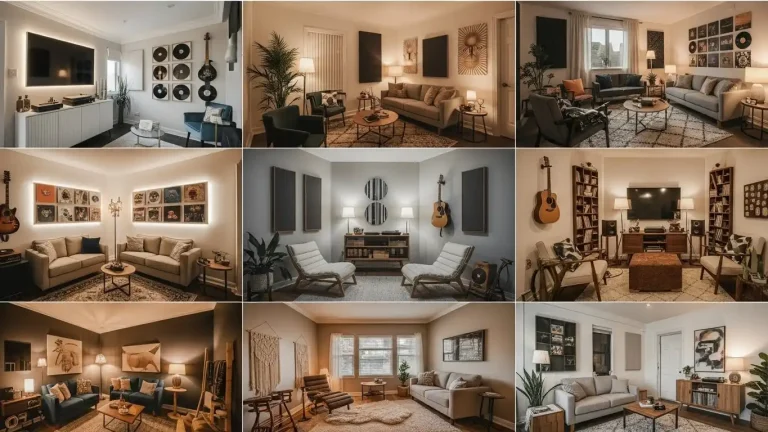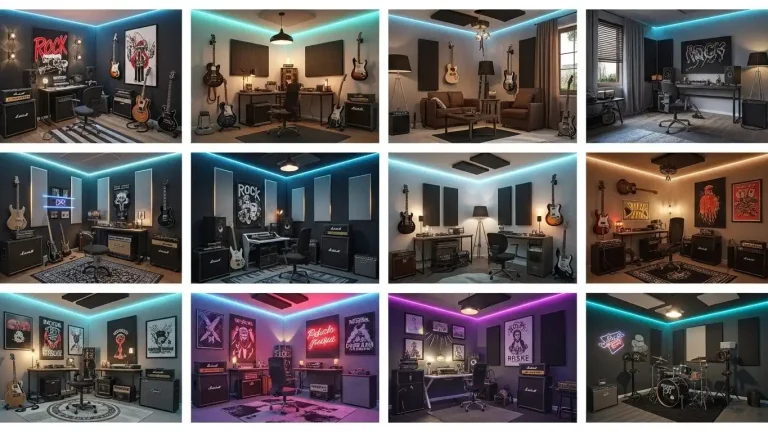
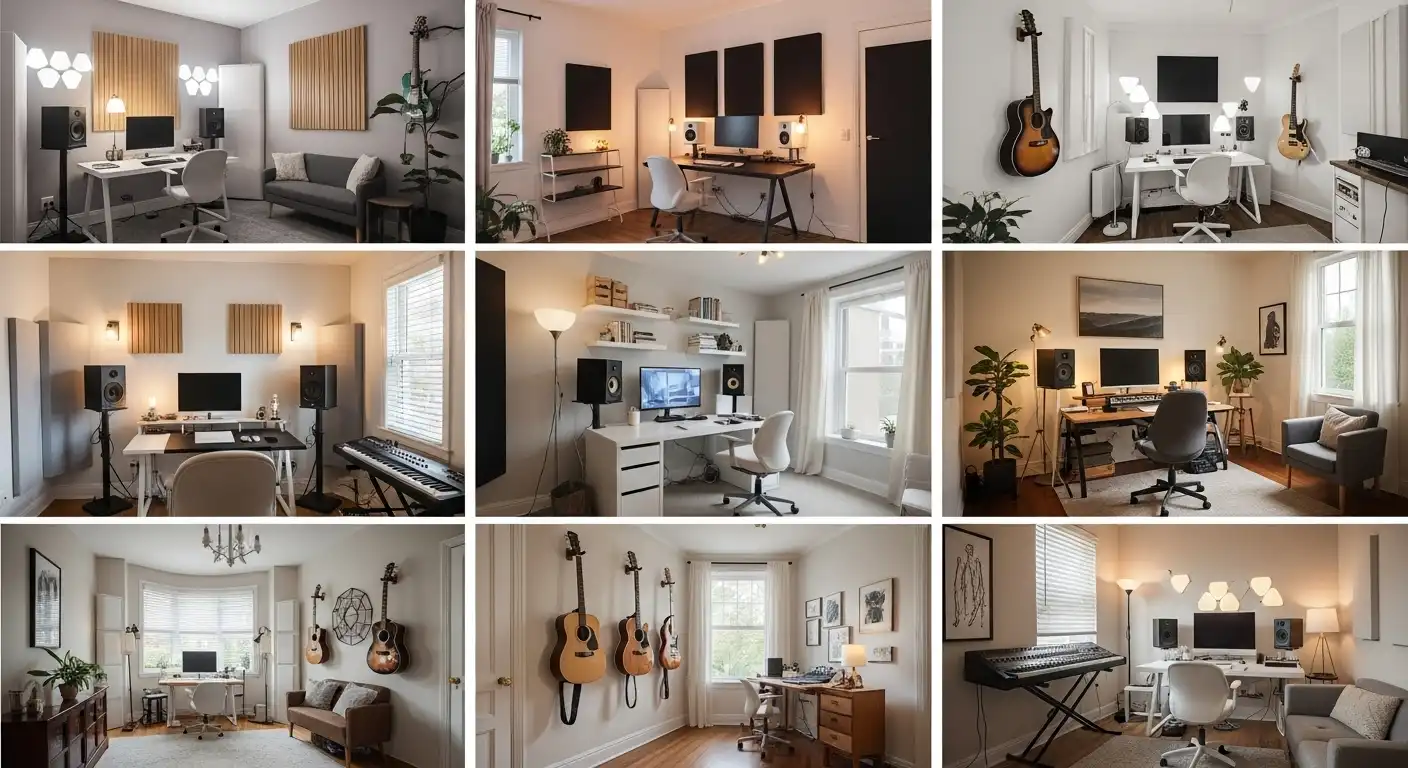
24 Music Room Design Ideas
Designing a music room that feels inspiring, functional, and comfortable can completely transform your creative routine. With 26 music room design ideas, you can build a space that supports better focus while matching your personal style. Whether you’re producing music, practicing instruments, recording vocals, or simply enjoying your collection, the right design choices help the room work better for your needs. Lighting, acoustics, layout, and decor all play important roles in shaping the overall vibe of your studio.
This guide combines practical suggestions with stylish design ideas so your music room feels organized, visually appealing, and motivating. From storage solutions to layout planning, you’ll find options that work for small rooms, large spaces, apartments, or multi-purpose areas. These 26 music room design ideas make it simple to create a setup that boosts creativity and turns your home into a place where you enjoy working on music every day.
1. Cozy Studio Corner Setup
Designing the perfect creative space starts with a cozy studio corner that feels inspiring and comfortable. This idea works well in small rooms, apartments, or multipurpose areas. Choose one corner of the room and anchor the space with a desk, chair, and essential equipment. Add soft lighting, acoustic panels, and a rug to create a warm, focused environment. Keeping everything within arm’s reach improves workflow and reduces distractions. A cozy corner setup makes it easier to sit down and start creating without rearranging the whole room. This simple foundation supports many of the 26 music room design ideas explored in this guide.

2. Create a Defined Recording Zone
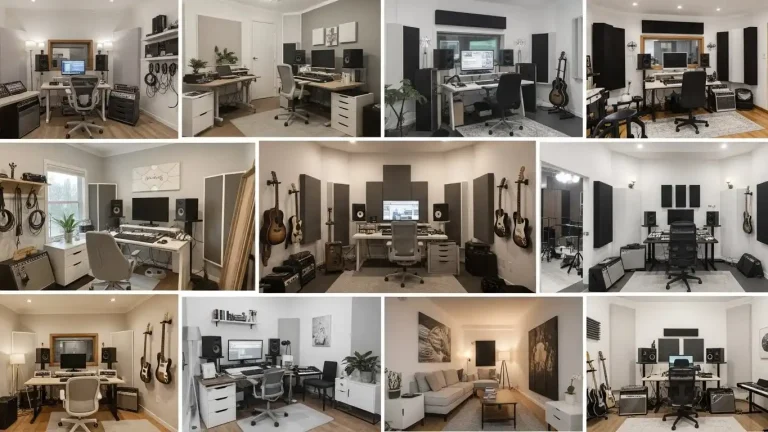
A defined recording zone helps keep sessions organized and focused. Set up your microphone, audio interface, monitors, and desk in a clean, functional layout. Add acoustic foam or fabric panels behind your mic to improve clarity. Keep cables neatly arranged to prevent clutter. Choose a desk that fits your equipment without overwhelming the room. The goal is to create a space that feels professional yet personal. A well-planned recording zone enhances workflow and helps you shift into a creative mindset the moment you sit down. It becomes the anchor point of your home studio.

3. Use Adjustable LED Lighting
Adjustable LED lighting changes the energy of your studio instantly. Use color-changing strips behind your desk, shelves, or instruments to create mood and focus. Brighter tones work well during mixing sessions, while softer colors help you relax while practicing. Lighting also highlights decor and improves camera quality if you stream or record videos. Combine LED strips with a desk lamp or floor lamp for layered lighting. This creates depth and enhances both comfort and style. Good lighting brings personality to your studio and supports the creative atmosphere you want to build.

4. Add a Rug for Warmth and Sound Control
A rug adds warmth, comfort, and acoustic benefits to your music room. Hard floors often cause reflections and echo, but a thick rug absorbs excess sound and improves clarity. Choose a rug that matches your color theme—neutral shades for calm spaces or bold patterns for creative energy. Place it under your desk or playing area to anchor the room visually. A rug also makes long sessions more comfortable and adds texture to your design. This simple addition supports both style and sound quality, making it a valuable part of these 26 music room design ideas.
5. Display Instruments as Decor
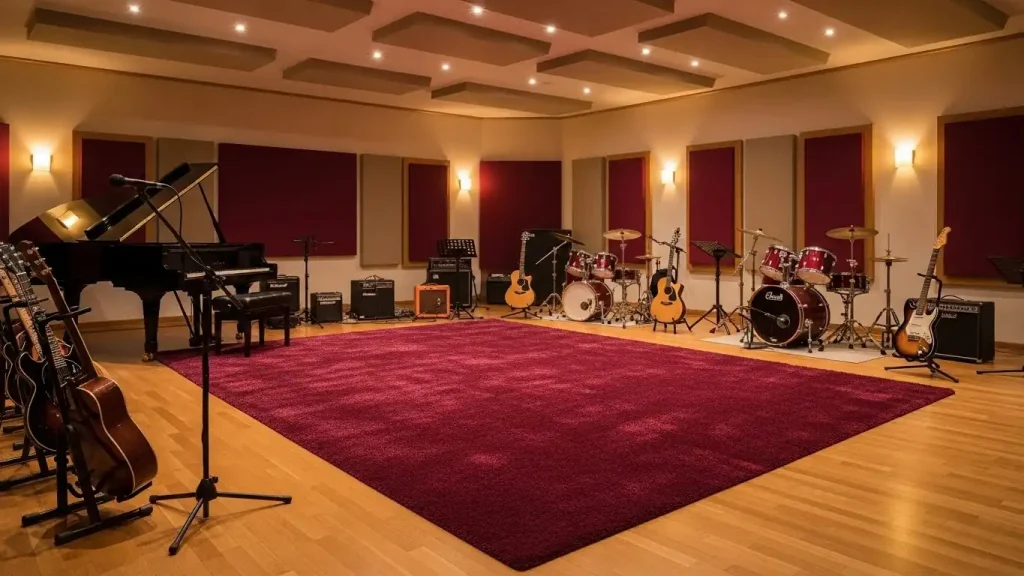
Instruments bring personality to a music space, so use them as decor as well as tools. Hang guitars, ukuleles, or violins on wall mounts to save floor space and keep them within easy reach. Place keyboards or small percussion instruments on open shelves. This creates a visually appealing display that reflects your style. Displaying instruments encourages more practice and keeps your room organized. Choose mounts or stands that match your decor, whether rustic wood, metal, or minimalist black. This approach blends creativity and functionality while giving your studio a unique identity.

6. Incorporate Multi-Level Shelving
Multi-level shelving helps you maximize space while creating an interesting visual layout. Use shelves to store vinyl, books, cables, speakers, and decorative items. Floating shelves work well for small rooms because they keep the floor clear. Choose materials that suit your style—wood for warmth, metal for an industrial look, or glass for a modern feel. Organized shelves make your studio look polished and purposeful. With smart arrangement, the right shelving system supports both storage and style, helping you maintain a clean, inspiring environment while showcasing your personality.

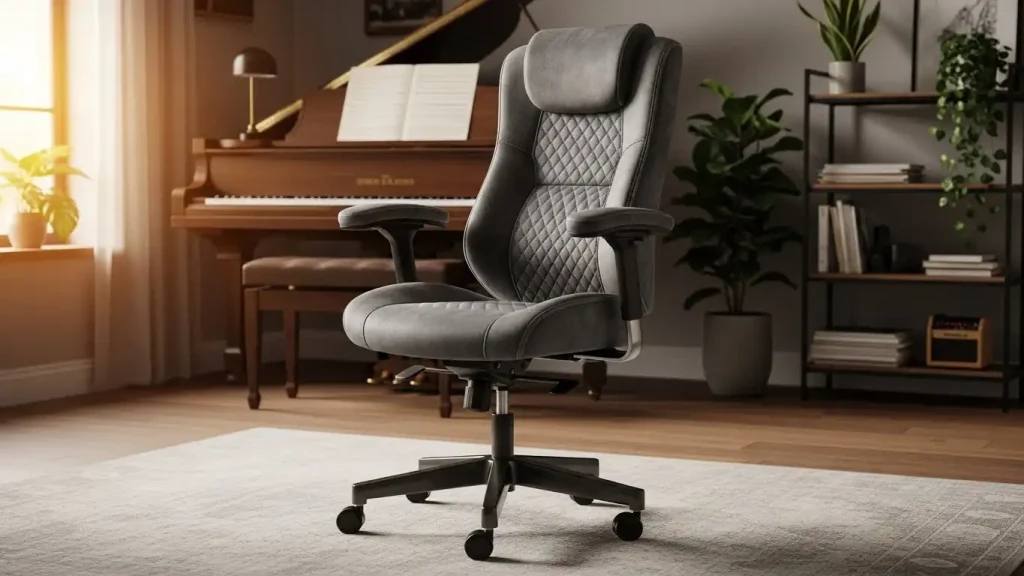
7. Choose a Comfortable, Supportive Chair
A supportive chair is essential for long recording, mixing, or practice sessions. Choose one with adjustable height, proper back support, and a stable base. Pick a design that complements your studio’s style—sleek black for a modern look, soft fabric for a cozy feel, or a bold color for creative energy. Add a cushion or throw to increase comfort. A good chair improves posture and focus, helping you create for longer periods without discomfort. It’s a small investment that makes a big difference in your overall studio experience and workflow.
8. Industrial-Style Music Room Setup
An industrial-style music room brings together raw textures, exposed brick, metal shelves, and dark wood to create a space that feels bold and expressive. This look works well for people who want a room with personality and creative energy. Add metal grid panels for storing headphones and accessories, or place your guitars on matte-black wall mounts. A rugged wooden desk paired with an iron-frame chair supports heavier studio gear without clutter. Warm lighting softens the room and balances the industrial vibe. This setup makes your music space practical, stylish, and comfortable for long practice or production sessions.

9. Cozy Acoustic Corner for Small Rooms
If you don’t have a separate room for music, turn an empty corner into a comfortable acoustic space. Use a soft rug, two acoustic panels, and a corner bass trap to improve sound without expensive renovations. Add a small stool or armchair where you can sit and play guitar, violin, or ukulele. A floor lamp and a floating shelf with decor pieces help you blend the music corner with the rest of the room. This setup feels warm, inviting, and functional, making it perfect for apartments or shared homes with limited space.

10. Dual-Purpose Music Room and Home Office
A dual-purpose music room and home office lets you blend creativity with productivity in one organized setup. Choose a wide desk that fits both your computer and basic recording gear, leaving enough room for work tasks. Wall-mounted shelves hold paperwork, controllers, microphones, and instruments without taking up floor space. Add soft acoustic panels behind the desk so your recordings sound clean. A stylish but ergonomic chair keeps the room visually appealing while providing comfort during long sessions. This layout works well for people who need a flexible, clutter-free space that supports both music and daily work.
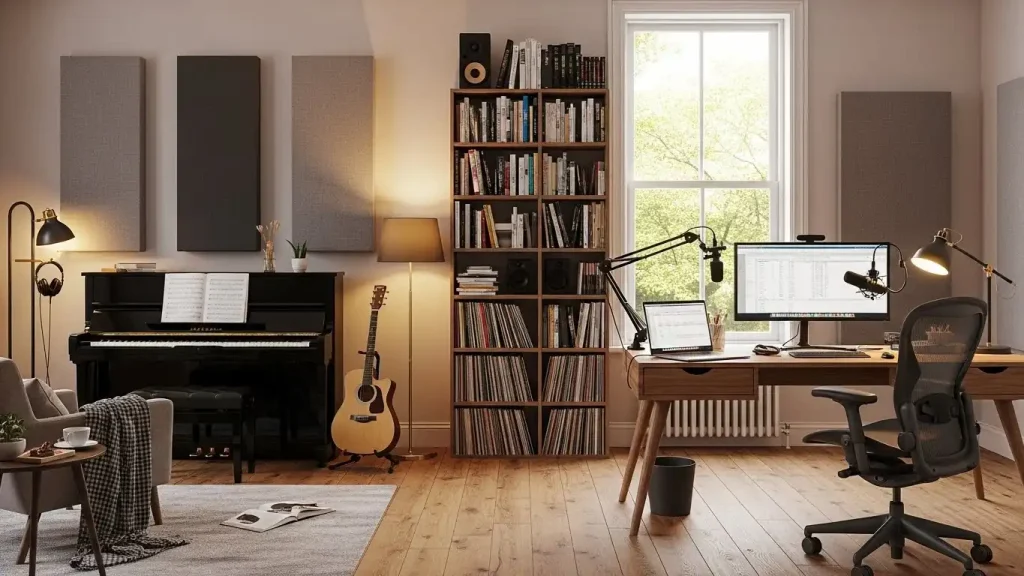
11. Classic Music Room With Wooden Accents
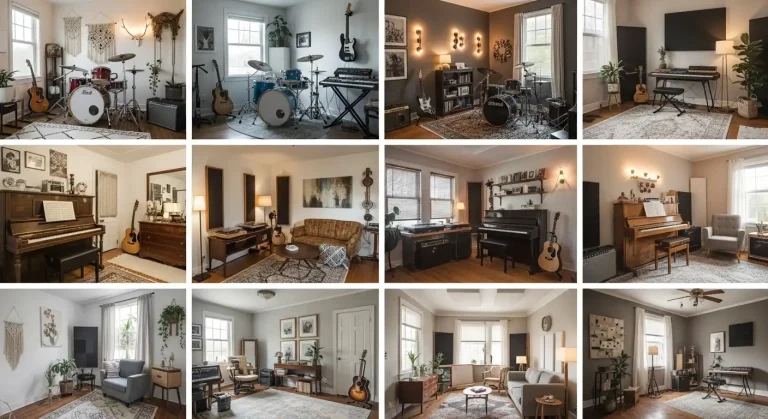
A classic music room with wooden accents brings warmth, tradition, and elegance into your space. Use rich wood tones for shelving, floors, or paneling to create a timeless look. Wooden instrument stands work beautifully with pianos, violins, and guitars, giving the room a cohesive feel. Add warm lighting, fabric curtains, and a comfortable seating area for listeners or students. This design is especially appealing for households that appreciate a calm, refined atmosphere. The natural wood surfaces also help absorb sound slightly, making the space feel balanced without needing heavy acoustics.
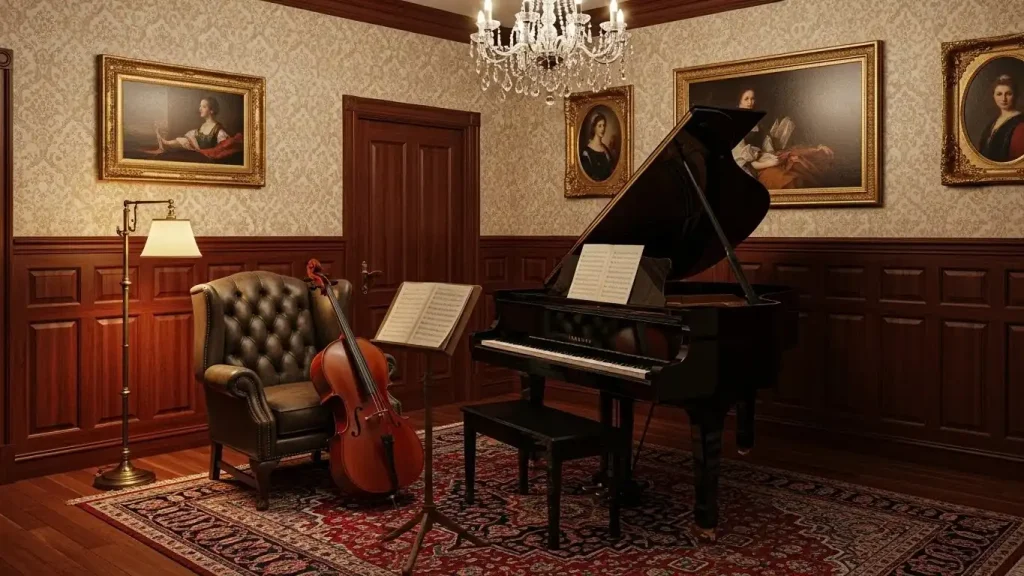
12. Minimalist Black-and-White Music Room
A black-and-white music room brings a clean, modern feel that highlights your instruments beautifully. Keep the walls white to brighten the room, while using black for shelving, mounts, and lighting accents. This contrast helps your guitars, keyboards, or mixer stand out visually. Minimal furniture keeps the space open and distraction-free, ideal for recording or composing. Add a slim desk, a pair of compact studio monitors, and a few framed art prints for personality. Even with simple elements, this design feels polished and inspiring, making daily practice more enjoyable.

13. Music Room With Colorful Aesthetic
A colorful music room gives your creative space a lively and artistic energy. Choose a bright accent wall—yellow, teal, or coral—to instantly lift the mood. Add patterned rugs, vibrant pillows, or LED wall strips to introduce visual variety without overwhelming the room. Colorful instrument straps, cases, and storage bins also help tie the theme together. Even simple choices like multi-color foam panels or neon-style signs create a fun recording or jamming environment. This design encourages creativity and brings a cheerful vibe perfect for young musicians or anyone who enjoys expressive décor.

14. Compact Home Studio for Beginners
A compact home studio is ideal for beginners who want a clean, affordable setup without sacrificing quality. Start with a small desk, a basic audio interface, comfortable headphones, and a laptop. Add two budget-friendly acoustic panels to manage echoes and keep the sound balanced. A simple mic stand and mount take up minimal space, while a floating shelf stores cables and accessories neatly. This setup grows easily as you add more equipment. Even in small spaces, you can create a focused, efficient environment that helps you practice, record, or learn new skills comfortably.

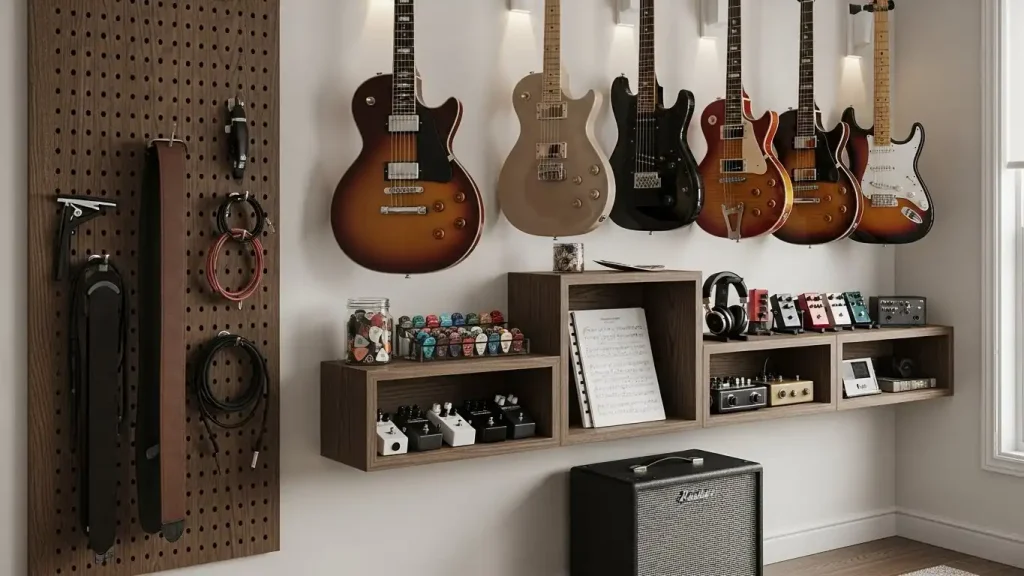
15. Creative Wall Display for Guitars and Accessories
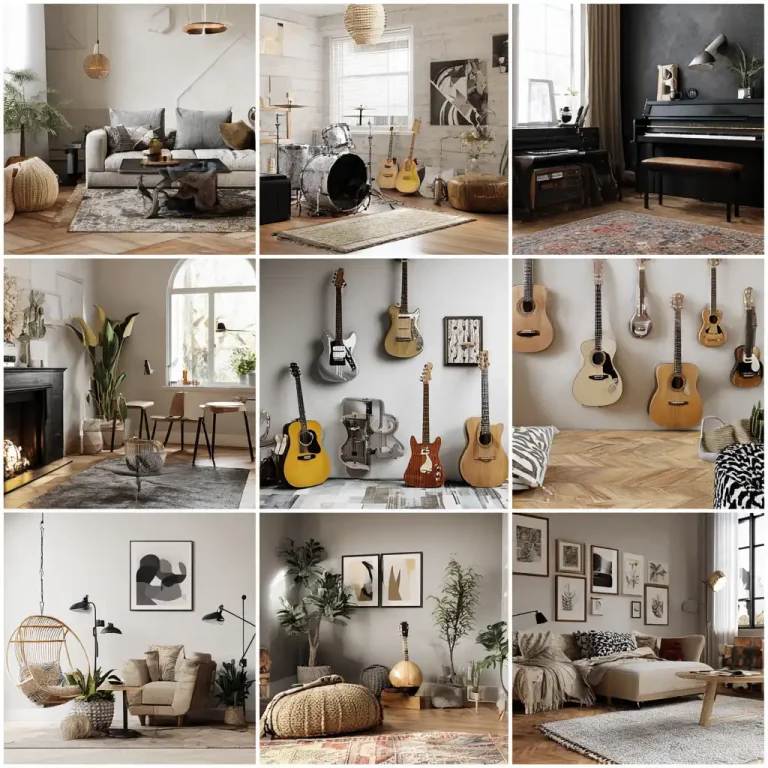
A creative wall display turns your instruments into functional décor while keeping the room organized. Use sturdy mounts to hang guitars, ukuleles, or basses in an eye-catching arrangement. Add small hooks for straps, cables, and headphones so everything stays accessible. A lower shelf can hold pedals, tuners, and small amps. This design saves floor space and gives your music room a personalized, studio-like appeal. It also protects instruments from accidental damage while showcasing them as part of the room’s style. This setup works beautifully in modern, rustic, or colorful themes.
16. Music Room With Built-In Shelving
Built-in shelving helps you keep your music room clean, organized, and visually appealing. Use wide shelves for studio gear, vinyl records, speakers, and decorative pieces. Add smaller sections for mics, pedals, and accessories to prevent clutter. A built-in unit also provides a strong visual backdrop for your setup, especially when paired with soft lighting or textured wall panels. This design works well in medium or large rooms where storage and organization matter. With everything neatly displayed, your space feels calm and ready for creativity.

17. Soundproof Music Room for Serious Practice
A soundproof music room keeps your practice sessions focused and disturbance-free. Use dense acoustic panels, thick curtains, and weather-stripped doors to block unwanted noise. Add rugs and upholstered furniture to absorb vibrations and create a balanced sound. A small vocal booth or divider gives you extra control during recording. LED lights and organized storage make the room feel modern and comfortable. This setup works well for drummers, vocalists, and producers who need a space that supports long, intense practice hours without affecting the rest of the house.
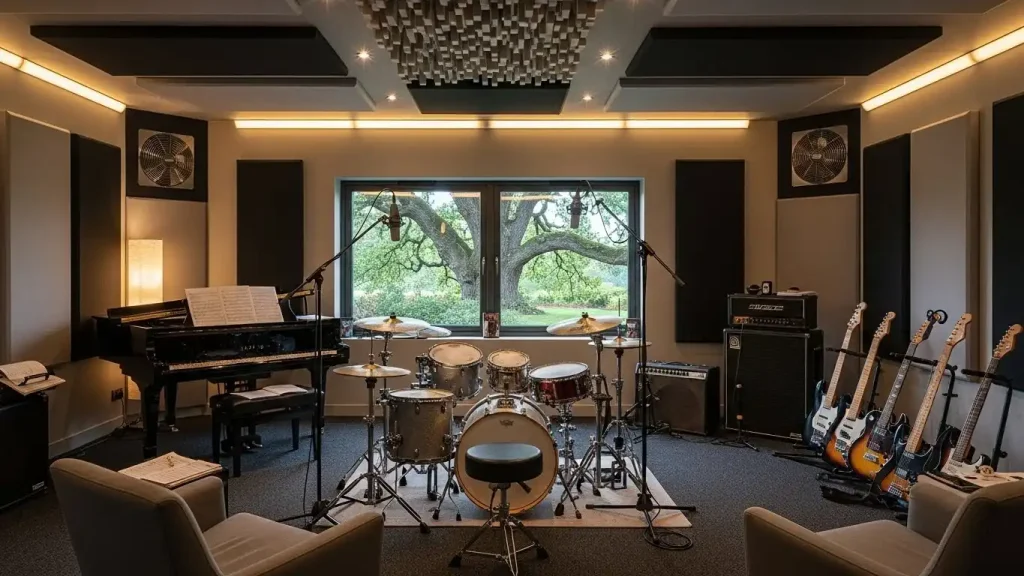
18. Music Room With Ambient Lighting Setup
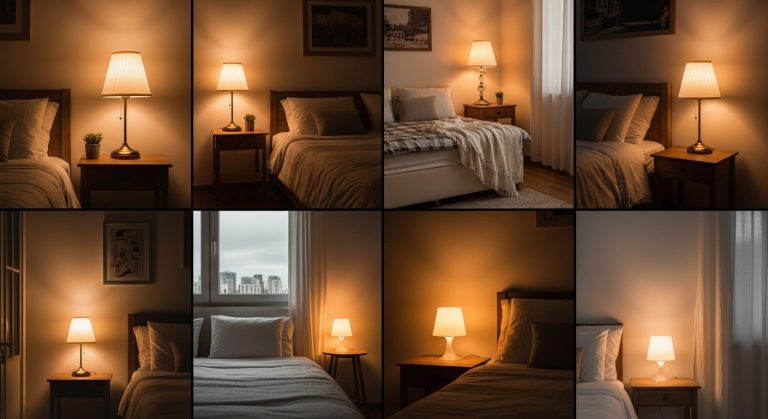
Ambient lighting changes the entire mood of your music room, helping you create a space that feels inspiring. Use warm lamps, soft LED strips, or wall lights to create a glow that enhances your creative flow. Place lighting behind shelves, around your desk, or along the ceiling for an even, gentle effect. This setup works beautifully for night-time recording or relaxed practice sessions. Choose dimmable controls so you can set the room’s mood based on your needs. Soft lighting also reduces eye strain and gives the room a polished and inviting atmosphere.

19. Vintage-Inspired Music Room Theme
A vintage-inspired music room adds charm and a nostalgic feel to your creative space. Use retro posters, classic amps, warm wooden furniture, and patterned rugs to build an old-school style. Add a vintage record player to display your vinyl collection and bring character to the room. Soft lighting, leather seats, and rustic shelving help the theme come together. This design works well for people who enjoy old jazz, blues, classic rock, or traditional instruments. The warm colors and textures create a cozy environment that encourages long, enjoyable practice sessions.

20. Music Room With Modern Studio Layout
A modern studio layout focuses on clean lines, organized equipment, and an efficient workflow. Use a wide desk that holds your monitors, laptop, and essential gear without crowding the space. Keep cables hidden with trays or clips to maintain a neat look. Add acoustic panels behind the speakers to improve clarity and accuracy. Wall shelves help store microphones, controllers, and accessories so everything stays accessible. This design works great for producing, mixing, podcasting, or recording vocals at home. A modern layout boosts creativity and makes your studio feel professional.

21. Music Room With an Artistic Decor Style
An artistic music room lets you express your personality through color, shapes, and unique décor. Use painted canvases, framed album covers, or custom wall art to create a visually rich atmosphere. Add patterned rugs, textured pillows, and artistic lighting fixtures to enhance the theme. Plants or sculptures add depth and character without affecting sound. This style works well for creatives who want inspiration at every angle. The artistic approach makes your music room feel lively, personal, and full of energy, helping you connect with your instruments and ideas more deeply.
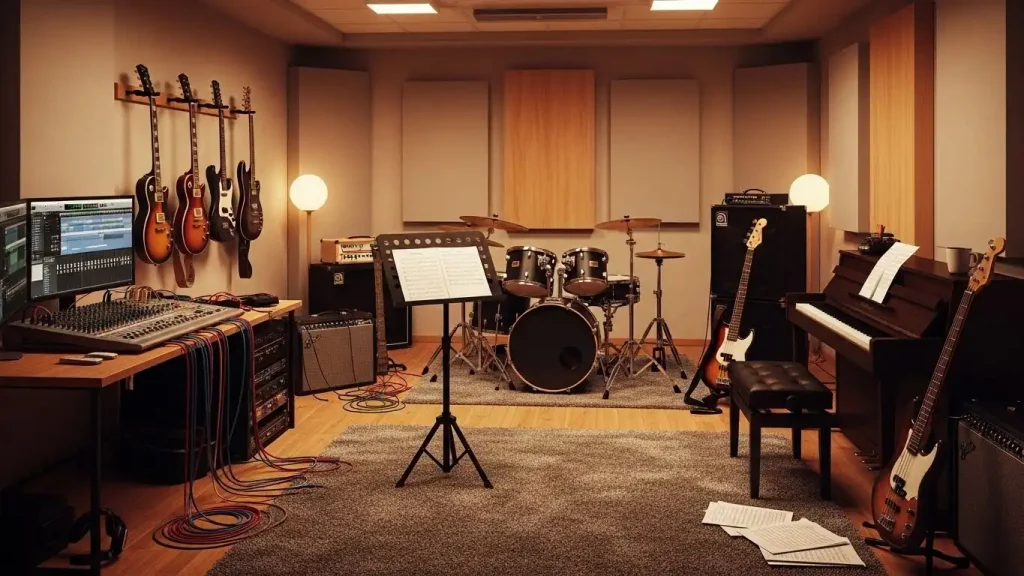
22. Multi-Instrument Music Practice Room
A multi-instrument practice room supports players who enjoy switching between guitar, piano, percussion, and other instruments. Use separate zones for each instrument to keep the space tidy and functional. Wall mounts help store guitars, while a small shelf system holds drumsticks, pedals, and accessories. A padded bench near the piano or keyboard improves comfort. Add soft acoustic panels to keep the sound balanced across the room. This setup creates a smooth practice flow and prevents clutter, making your daily sessions easier and more enjoyable.

23. Music Room With a Relaxed Lounge Area
A relaxed lounge area adds warmth and comfort to your music room, making it a perfect spot for writing, listening, or unwinding between practice sessions. Add a sofa, floor cushions, or an armchair where you can sit comfortably with your instrument. A coffee table, small lamp, and soft throw blanket help complete the cozy atmosphere. This space works great for casual jam sessions with friends or solo songwriting moments. A lounge area also gives your room balance, blending creativity with relaxation in a natural, inviting way.

24. Large Music Room With Full Studio Setup
A large music room with a full studio setup gives you room to explore every creative idea. Use separate zones for recording, mixing, practicing, and relaxing. Add sound-treated walls, diffusers, and bass traps to maintain clarity in different areas. Place your main desk in the center and arrange speakers at the correct angle for accurate sound. Add floor-standing shelves for vinyl, microphones, and gear. This layout supports serious music production, band rehearsals, and long practice sessions. With thoughtful planning, your large room becomes a complete creative hub.

Conclusion
Designing your music room takes planning and creativity, but the right setup helps your ideas flow naturally. Whether you want a small practice corner or a full studio, each design style here supports comfort, organization, and better sound. When your room feels inspiring, you stay motivated, practice more often, and enjoy the process. Use these 26 music room design ideas to build a space that matches your personality, your instruments, and your musical goals. A well-designed room strengthens your creativity and gives you a place where your music can grow every day.
FAQs
1. How can I design a music room on a budget?
Start with essential acoustic panels, a simple desk, and organized wall storage. Add décor slowly as your budget grows.
2. What is the best lighting for a music room?
Soft ambient lighting creates a warm mood, while task lighting helps during mixing or reading sheet music.
3. Do I need soundproofing or just acoustic treatment?
Acoustic treatment improves sound inside the room, while soundproofing blocks noise from leaving. Choose based on your needs.
4. How do I organize multiple instruments without clutter?
Use wall mounts, shelves, and separate zones for each instrument to keep everything accessible and tidy.
5. What color theme works best for a music room?
Warm neutrals create a cozy feel, while bold colors add energy. Choose a palette that inspires your creativity.
Visit More Ideas : www.dreamyhomesdecor.com