
22 Cozy Music Room Ideas
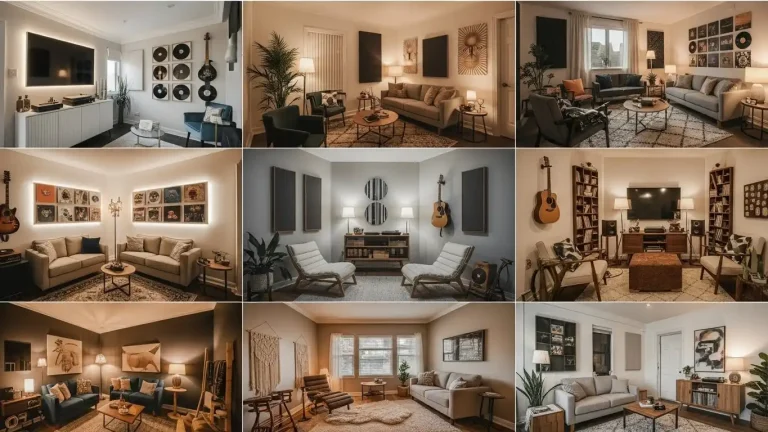
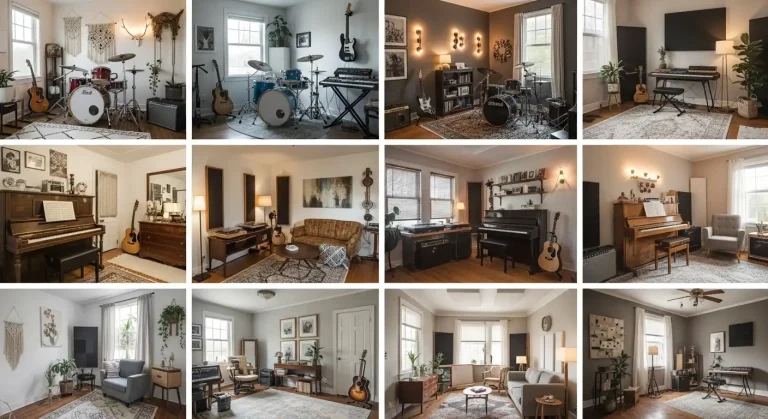
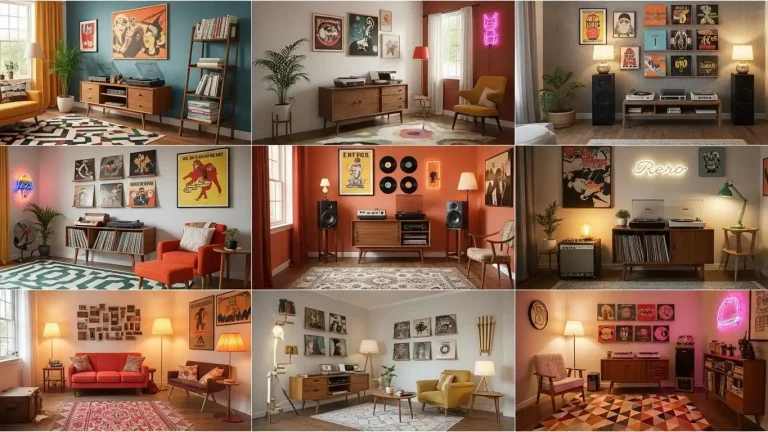
A cozy music room is more than just a place to play or listen to music—it’s a sanctuary where creativity, comfort, and personal style come together. The right music room design not only inspires creativity but also provides a relaxing and functional environment for practice, recording, or casual listening. From choosing the perfect color palette and arranging furniture to selecting lighting, rugs, and acoustic treatments, every detail contributes to a warm and inviting atmosphere. A thoughtfully designed space can reduce distractions, improve acoustics, and enhance your overall musical experience.
Whether your style leans toward modern minimalism, rustic charm, vintage elegance, or eclectic comfort, there are countless ways to make a music room feel inviting. These 22 Cozy Music Room Ideas explore practical and stylish solutions for creating a space that reflects your personality while remaining functional. You’ll find tips for arranging instruments, storing records and books, layering textures, using lighting effectively, and incorporating personal decor touches. With these ideas, even a small corner can become a cozy haven, while larger rooms can feel intimate and inspiring. By combining comfort, aesthetics, and functionality, you can design a music room that’s both beautiful and highly practical.
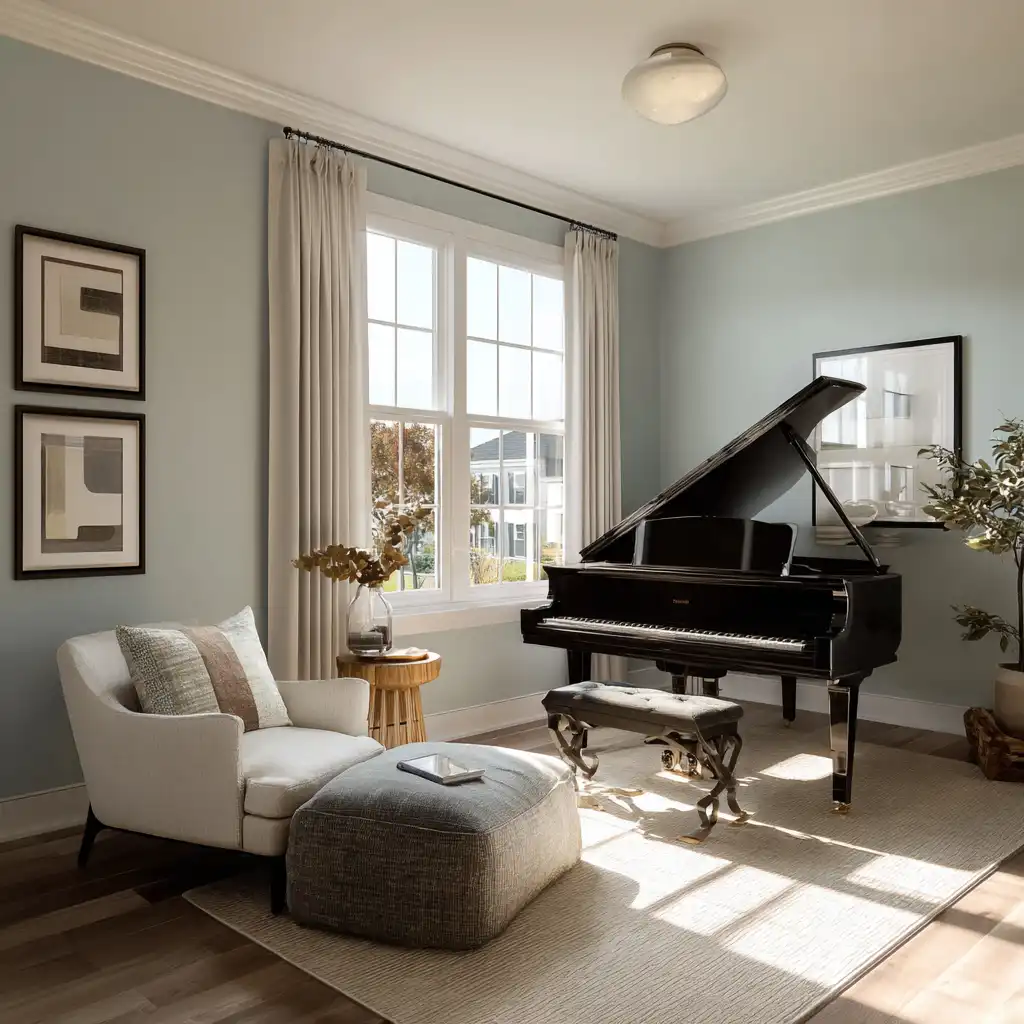
1. Soft Neutral Walls for a Calm and Inviting Ambiance
Choosing the right wall color sets the foundation for a cozy music room. Soft, neutral tones like beige, light gray, taupe, or even muted pastel shades create a serene backdrop that allows instruments, artwork, and furniture to shine. Neutral walls also reflect natural light, making the room feel larger, warmer, and more inviting. Pair the walls with natural wood elements, plush textiles, or metallic accents to enhance the overall coziness. You can also use a slightly darker shade on one accent wall to add depth and visual interest, making the room feel dynamic without overwhelming the senses.
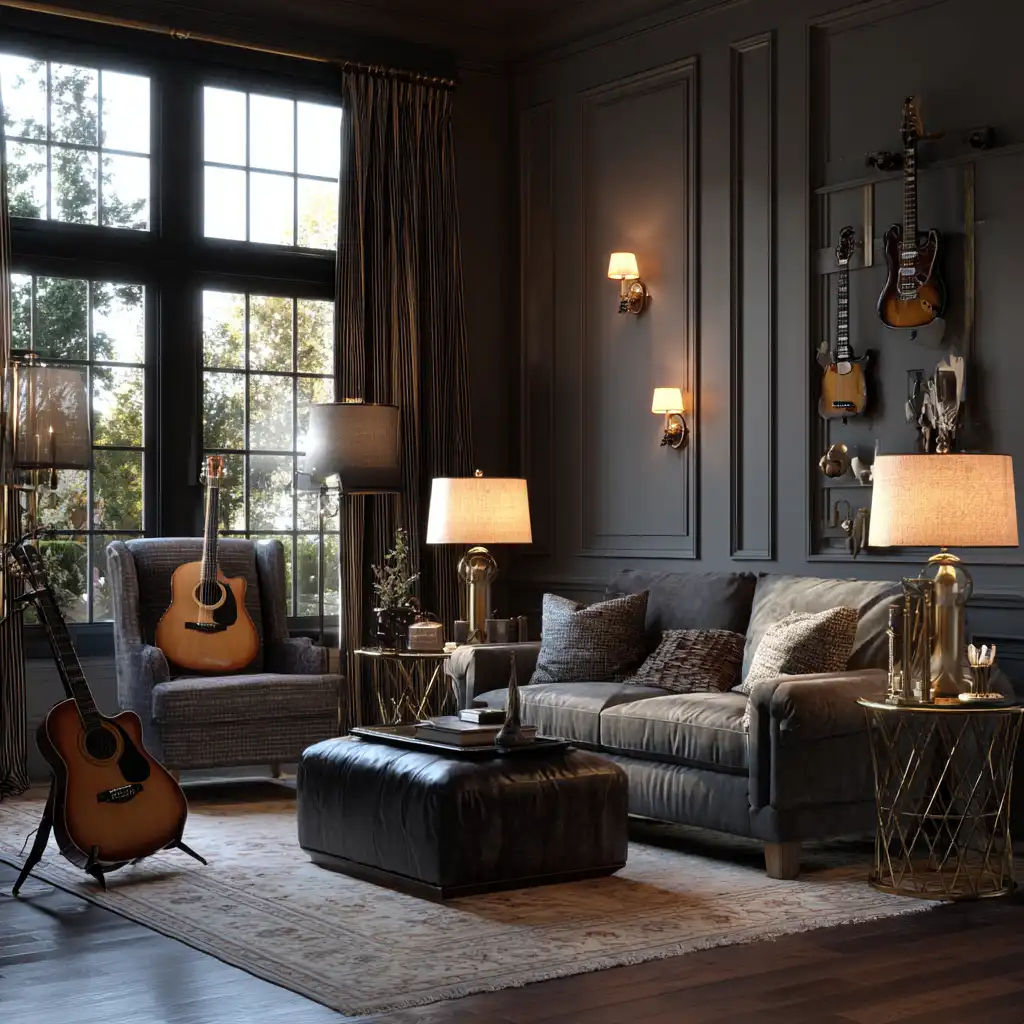
2. Layered Lighting With Floor Lamps, Table Lamps, and Wall Sconces
Lighting is crucial for both function and ambiance in a music room. Layered lighting creates a warm, inviting environment while allowing flexibility for different activities. A combination of ceiling lights, wall sconces, floor lamps, and table lamps provides both ambient and task lighting. Dimmable options are ideal, allowing you to adjust brightness for practicing, recording, or relaxing. Warm-toned bulbs soften the space, while strategically placed lamps highlight instruments, artwork, or cozy corners. Lighting also adds a sense of drama and depth, transforming the music room into a visually engaging retreat.
3. Acoustic Panels and Soundproofing for Functional Comfort
Acoustic treatments are essential for creating a music room that sounds as good as it looks. Decorative acoustic panels, thick curtains, and textured rugs help absorb sound and reduce echo, creating a richer listening experience. Soundproofing also ensures that music does not disturb other parts of your home. Panels can be both functional and stylish—choose colors and patterns that complement your room’s decor. Even small touches, like upholstered furniture or bookshelves, can improve acoustics while contributing to the cozy aesthetic.

4. Comfortable Seating Options for Musicians and Listeners
A music room should accommodate both musicians and listeners comfortably. Invest in plush armchairs, a small sofa, or a loveseat that blends with the room’s color palette. Ergonomic seating for musicians, such as piano benches or adjustable chairs, is equally important. Layer cushions, throws, and blankets to enhance comfort and warmth. Arranging seating near instruments or speakers creates a social and functional space, perfect for practice, collaboration, or simply enjoying music in a relaxed, cozy environment.
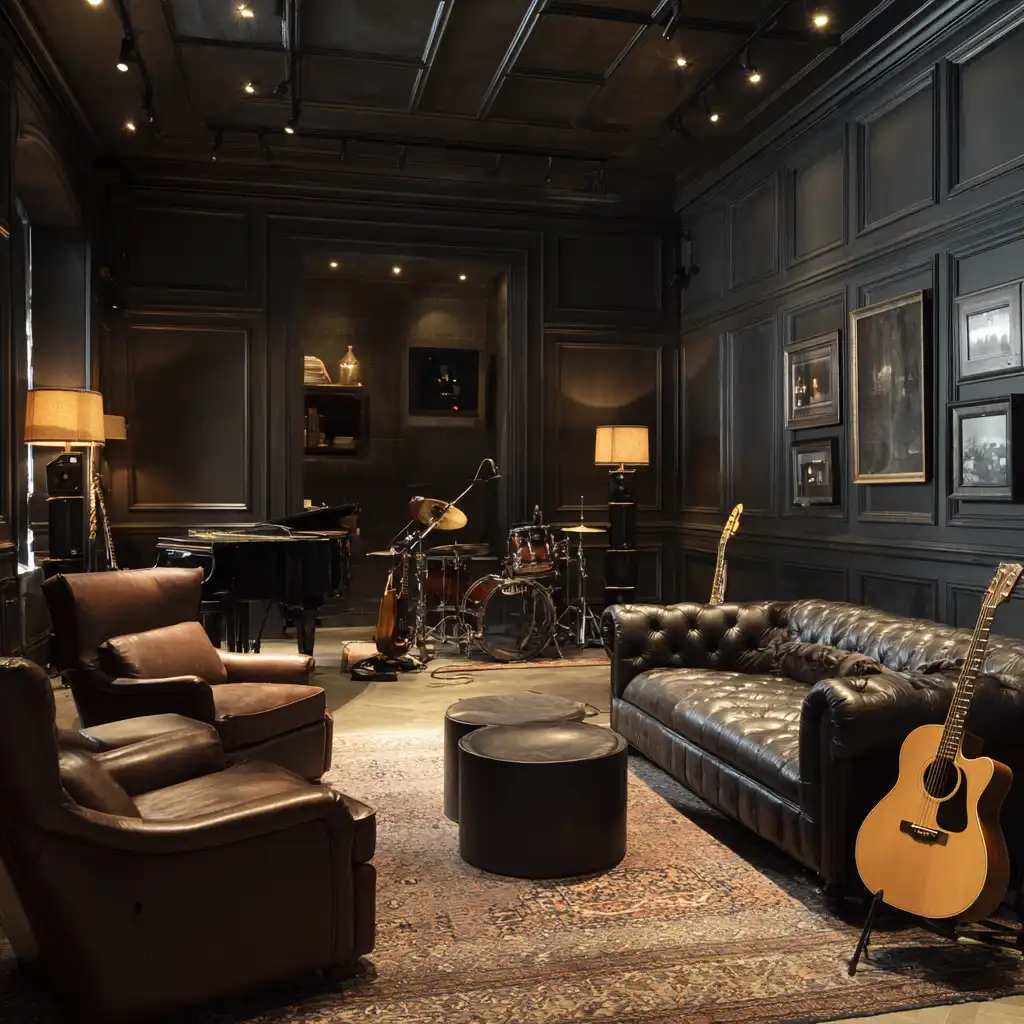
5. Display Instruments as Functional Decor
Musical instruments themselves can be decorative statements. Guitars, violins, drums, or keyboards displayed on stylish stands, wall mounts, or shelves not only remain accessible but also add personality to the space. Consider creative arrangements that balance function with aesthetics—group similar instruments, hang smaller ones on the wall, or use matching stands for a cohesive look. Displaying instruments elevates the room’s visual appeal and showcases your passion for music while keeping the space organized.
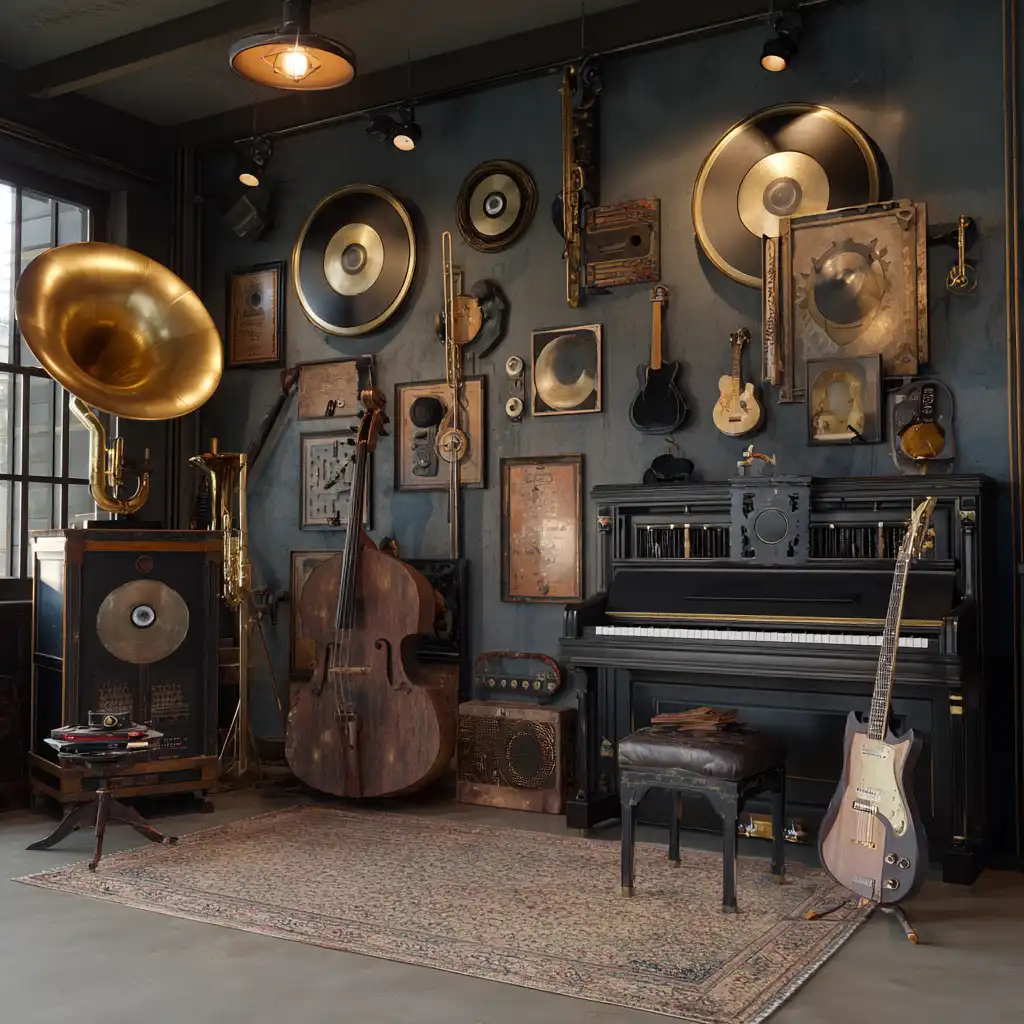
6. Layered Rugs to Add Warmth and Acoustic Benefits
Layering rugs adds texture, warmth, and sound absorption to a music room. Soft, plush rugs create a cozy atmosphere while reducing echo and improving acoustics. Mixing patterns or textures, such as Persian-style rugs with natural fiber mats, adds visual depth and interest. Rugs also define specific areas, like practice corners or seating zones, making the room feel structured yet inviting. Choose colors that complement your walls, furniture, and accessories to create a harmonious, cozy environment.

7. Shelving and Storage for Records, Books, and Music Gear
Practical storage is key for a clutter-free, cozy music room. Open shelving or cabinets allow for the display of records, books, instruments, and decorative pieces, while closed storage hides cables, pedals, or other equipment. Organize items by function, color, or style to maintain a visually appealing arrangement. Displaying albums or framed sheet music adds character and makes the room feel curated. Efficient storage not only keeps the space tidy but also enhances the overall comfort and usability of your music sanctuary.

8. Wall Art and Posters to Reflect Musical Taste
Personalize your music room with wall art, framed album covers, or posters of your favorite artists. Large canvases or gallery walls add visual interest and make the space feel curated. Choose frames that complement the room’s color palette or metallic finishes like gold or black for a stylish touch. Wall art not only showcases your musical taste but also creates a focal point, giving the room character and energy while maintaining a cozy, inviting vibe.

9. Floating Shelves for Displaying Instruments and Accessories
Floating shelves provide functional storage and display opportunities without taking up floor space. Use them to hold instruments, sheet music, collectibles, or decorative accents. Floating shelves keep essentials within reach while maintaining an open and uncluttered layout. Arrange items by size, color, or theme to create a visually cohesive display. Combining functionality with aesthetic appeal enhances both the practicality and charm of your music room.

10. Statement Lighting Fixtures for Style and Function
A bold chandelier, pendant light, or unique floor lamp can serve as both a practical lighting solution and a statement decor piece. Consider fixtures in warm metals, crystal, or modern designs to enhance the room’s personality. Proper lighting ensures the space is functional for practice while adding drama and ambiance. Dimmable fixtures provide flexibility for different moods, from focused practice sessions to relaxed listening evenings.

11. Cozy Window Treatments for Softness and Sound Absorption
Soft curtains, drapes, or blinds enhance the room’s warmth while providing sound absorption. Heavy fabrics like velvet or layered sheers help reduce echo and create a more intimate space. Window treatments also allow control of natural light, maintaining comfort during daytime practice sessions. Choose colors or patterns that complement your walls, rugs, and furniture to create a harmonious, cozy aesthetic.

12. Comfortable Floor Seating for Casual Listening or Jam Sessions
In addition to chairs and sofas, consider floor seating options like bean bags, floor cushions, or poufs. They offer a relaxed vibe and are perfect for casual jam sessions or group listening experiences. Layer with soft throws or textured cushions to create a cozy, inviting corner. Floor seating adds flexibility and can easily be rearranged, making the room feel dynamic and adaptable.

13. Warm Wooden Elements for Natural Comfort
Incorporate wooden furniture or accents to bring warmth and a natural touch to your music room. Wooden instrument stands, shelves, or side tables complement neutral or colorful walls and add texture. Lighter wood tones create an airy, open feel, while darker woods enhance richness and intimacy. Pair wood with rugs, textiles, and metallic accents to balance elegance with comfort.

14. Soft Area Rugs With Patterns or Textures
Adding a patterned or textured area rug anchors the room and defines specific zones, such as practice areas or seating corners. Choose rugs with warm tones, subtle patterns, or mixed fibers to enhance acoustics and add visual interest. Rugs create a sense of comfort underfoot and contribute to the overall cozy ambiance, especially in rooms with hardwood or tile flooring.

15. Greenery and Plants for Freshness and Inspiration
Introducing plants into your music room adds life, color, and a calming effect. Small potted plants, hanging planters, or larger statement plants like fiddle leaf figs can soften corners and bring natural beauty indoors. Greenery complements both neutral and colorful palettes, improves air quality, and adds a touch of serenity, making the music room feel alive, inviting, and creatively inspiring.

16. Multi-Purpose Furniture for Function and Style
Multi-purpose furniture like storage ottomans, benches with compartments, or foldable desks maximizes space in a music room. These pieces store cables, sheet music, or small instruments while maintaining a tidy and organized look. Functional furniture keeps the room clutter-free, making it feel cozier and more inviting. Combining utility with aesthetics ensures the space remains stylish and practical for both practice and relaxation.

17. Accent Walls With Bold Colors or Patterns
A bold accent wall can bring personality and energy to a music room. Consider dark blues, forest greens, or even rich burgundy for a dramatic backdrop. Patterned wallpaper, murals, or geometric designs add visual interest and make the room feel dynamic. Accent walls can frame instruments, seating areas, or a media setup, highlighting focal points while maintaining a cozy atmosphere.

18. Display Musical Memorabilia for Personal Touch
Showcasing musical memorabilia like signed albums, concert posters, or vintage instruments adds character to the room. Display items on shelves, shadow boxes, or wall-mounted frames to create a curated gallery. Personal memorabilia makes the space unique, reflecting your passion and personality while inspiring creativity. These details transform a simple room into a cozy, engaging music haven.

19. Sound Machines or Subtle Background Music for Atmosphere
Background music or ambient sound machines enhance the mood and comfort of a music room. Soft, low-volume music can aid focus during practice or relaxation. Incorporating subtle speakers, hidden sound systems, or tabletop devices keeps the room organized and avoids clutter. These additions contribute to the cozy, inviting ambiance of the space while supporting a productive and inspiring environment.

20. Layered Curtains With Sheer and Opaque Fabrics
Layering curtains allows control over natural light while adding texture and softness. Sheer fabrics diffuse sunlight, creating a warm glow, while opaque curtains offer privacy and sound absorption. Coordinating curtain colors with walls, rugs, and furniture reinforces the cozy aesthetic. Layered curtains also help reduce echoes, making the music room more functional for practice or recording.

21. Personalized Lighting With Smart Controls
Incorporating smart lighting or adjustable LED strips gives flexibility for mood and functionality. Dimmed lights, color-changing LEDs, or spotlighting can highlight instruments, shelves, or artwork. Personalized lighting allows you to create the perfect ambiance for different activities—intense practice, casual listening, or relaxing evenings—enhancing both comfort and style in the music room.

22. Cozy Corners With Pillows, Throws, and Bean Bags
Creating a dedicated cozy corner with floor cushions, bean bags, or throws adds intimacy and comfort. These areas are perfect for reading sheet music, relaxing with headphones, or casual jam sessions. Layered textiles in complementary colors and textures make the space visually appealing and inviting. Cozy corners contribute to the room’s warmth, encouraging creativity and relaxation in a welcoming environment.

Conclusion:
Designing a cozy music room is about combining functionality, comfort, and personal style. From acoustic treatments and layered lighting to stylish storage and plush textiles, these 22 Cozy Music Room Ideas offer inspiration for creating a space that is both practical and inviting. Thoughtful decor, strategic furniture placement, and attention to textures and colors transform any room into a creative and relaxing haven. Whether you prefer a minimalist, modern, or vintage-inspired aesthetic, these ideas help you craft a music room where you can practice, listen, and create in comfort and style.
5 FAQs
1. How do I make a small music room feel cozy without feeling cluttered?
Use neutral walls, layered lighting, multifunctional furniture, and vertical storage. Keep decor minimal while adding plush textiles and rugs for warmth.
2. What is the best flooring for a cozy music room?
Hardwood or laminate floors with layered rugs work well. Rugs help absorb sound, add texture, and make the space feel inviting.
3. How can I improve acoustics without spending a lot?
Use thick curtains, rugs, upholstered furniture, and DIY acoustic panels. Even bookcases and wall tapestries help reduce echo and enhance sound quality.
4. How should I arrange instruments for functionality and style?
Group instruments by type, use wall mounts or stands, and ensure easy access. Displaying instruments can double as decor while keeping the space organized.
5. Can plants help in a music room?
Yes! Plants add color, freshness, and calmness. They soften corners, improve air quality, and make the space feel alive and inviting.
Visit More Ideas : www.dreamyhomesdecor.com