
17 Kitchen Aesthetic Ideas
A kitchen is more than a place to cook—it’s the heart of the home. A well-designed kitchen combines functionality with style, creating a space that inspires creativity, comfort, and social interaction. Whether you have a small galley kitchen or a spacious open layout, aesthetic choices can transform your space from ordinary to extraordinary. From selecting the right color palette and lighting to integrating textures, cabinetry, and unique decor touches, your kitchen can become a reflection of your personality. These 17 kitchen aesthetic ideas will help you craft a kitchen that is visually appealing, highly functional, and perfectly tailored to your lifestyle, blending style and efficiency seamlessly.
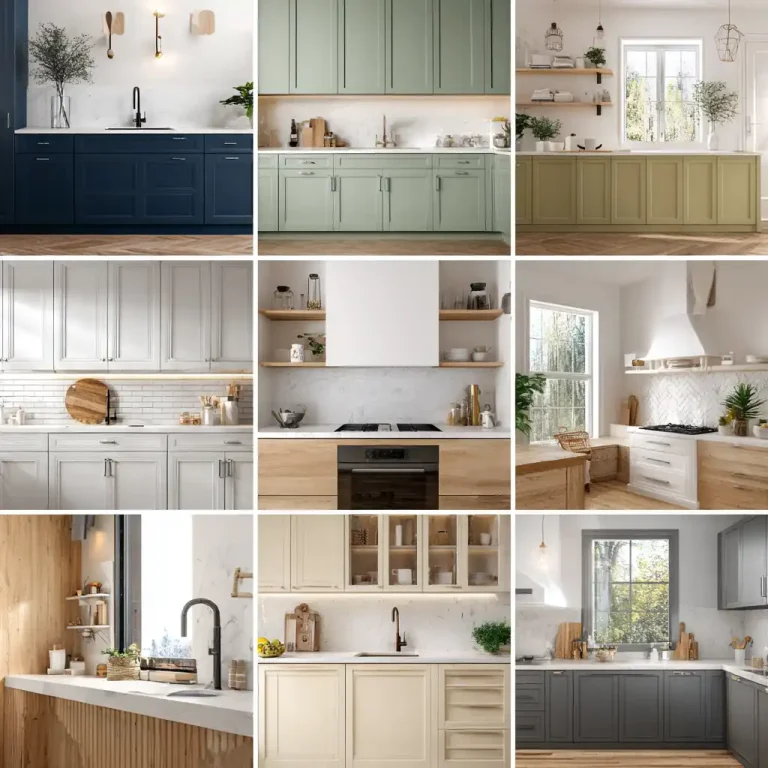
1. Embrace Neutral Color Palettes
Neutral colors like white, beige, gray, or soft taupe create a clean, timeless foundation for your kitchen. They make small kitchens feel larger and provide a versatile backdrop for accessories, appliances, and furniture. Neutral tones also make it easier to mix and match textures and materials, such as wood, metal, or stone. Using neutral palettes allows you to play with accent colors through decor, backsplashes, or kitchenware without overwhelming the space. A neutral base ensures your kitchen feels serene, balanced, and elegant while keeping your design flexible for future updates or seasonal changes.

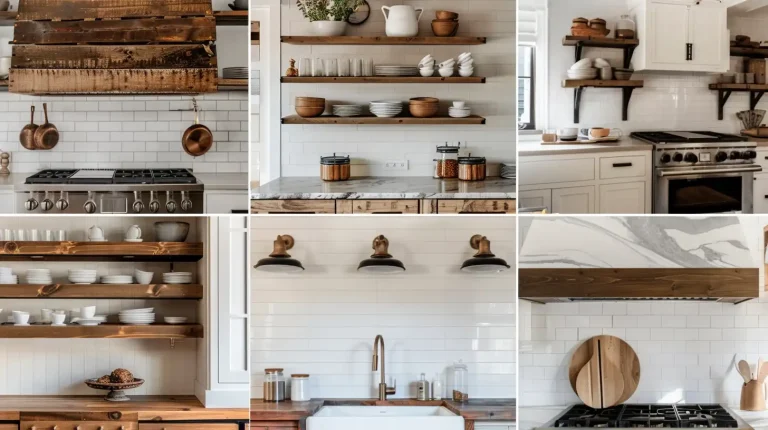
2. Incorporate Open Shelving
Open shelving adds both style and functionality. Display frequently used items like glassware, dishes, or decorative containers to make your kitchen feel open and inviting. Choose wood, metal, or floating shelves to complement your cabinetry and countertop colors. Open shelving also encourages organization since every item is visible, making it easier to keep the space tidy. Layering decorative pieces with functional items adds a personal touch and highlights your style. This approach creates a light, airy feel in the kitchen, providing storage without blocking sightlines or overwhelming the room visually.

3. Mix Materials for Visual Interest
Combining materials like wood, stone, metal, and glass adds depth and character to a kitchen. For instance, pair marble countertops with wooden cabinets, brass handles, and metal light fixtures. Mixing materials creates contrast while maintaining cohesion through complementary tones or textures. Using varied materials can also delineate functional zones—such as a stone island for prep work and wooden shelving for storage. Thoughtful material combinations make a kitchen feel carefully curated, stylish, and unique, giving each element a sense of purpose while contributing to the overall aesthetic.

4. Add Statement Lighting
Lighting is both functional and decorative in a kitchen. Choose statement pendants above an island or dining area to add drama and style. Under-cabinet lighting enhances workspace visibility and highlights countertops and backsplashes. Track or recessed lighting ensures the kitchen is well-lit for cooking and cleaning tasks. A combination of ambient, task, and accent lighting elevates the space, making it feel inviting and well-designed. Choosing fixtures with interesting shapes, finishes, or textures can also act as a focal point, seamlessly blending style with practicality.

5. Include Natural Elements
Incorporating natural elements brings warmth and freshness to the kitchen. Wooden cabinetry, bamboo cutting boards, potted herbs, and stone countertops add texture and organic appeal. Plants and greenery, even small windowsill herbs, enhance airiness and create a lively atmosphere. Natural elements balance the kitchen’s functionality with a calming, inviting environment. Wood tones pair beautifully with neutral palettes, while stone or marble surfaces add elegance. Integrating nature-inspired elements makes the kitchen feel more grounded, serene, and approachable, providing a welcoming space for both cooking and socializing.

6. Choose a Stylish Backsplash
A backsplash can be a striking focal point while protecting walls from spills. Consider subway tiles, patterned ceramic, glass, or natural stone for texture and visual interest. Bold colors or intricate patterns make the backsplash a statement piece, while neutral tiles create a timeless, subtle backdrop. You can mix materials for added depth, like combining tiles with a thin stone strip or metallic accent. A carefully chosen backsplash ties together countertops, cabinetry, and flooring, making the kitchen feel cohesive. This small yet impactful design choice elevates both aesthetics and functionality, ensuring the kitchen looks polished and inviting.

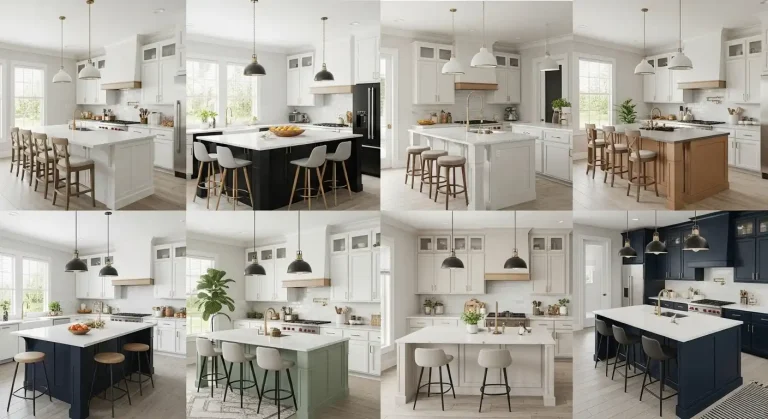
7. Integrate Functional Islands
Kitchen islands serve as both workspace and social hubs. Even a small island can provide extra counter space, storage cabinets, or seating. Choose materials and finishes that complement the rest of the kitchen—wood for warmth, marble for elegance, or metal for an industrial vibe. Islands can include features like built-in shelves, wine racks, or appliance storage, maximizing functionality in a single element. Beyond utility, islands act as a visual anchor, giving the room structure and balance. A thoughtfully designed island enhances workflow and becomes a centerpiece that blends style with practicality seamlessly.

8. Incorporate Smart Storage Solutions
Efficient storage keeps the kitchen organized and visually appealing. Use pull-out drawers, corner carousels, and hidden cabinets to maximize space. Vertical dividers for baking sheets and tray racks keep items orderly. Installing cabinet organizers or wire baskets ensures everything has a designated spot, reducing clutter on countertops. Smart storage solutions also make frequently used items easily accessible, streamlining cooking and cleaning. Functional storage not only improves usability but also maintains a clean, aesthetic environment. A well-organized kitchen instantly feels larger, more inviting, and thoughtfully designed, which contributes to both efficiency and style.

9. Highlight with Accent Colors
Accent colors bring personality and warmth to a neutral or monochromatic kitchen. Introduce color through chairs, small appliances, pendant lighting, rugs, or decorative objects. Soft pastels create a subtle charm, while bold shades like navy, emerald, or mustard add energy. Coordinating accent colors with your cabinetry or countertops maintains visual harmony. Accents also allow flexibility: small, removable items can be swapped seasonally for a fresh look. By strategically introducing color, you can create focal points, guide the eye through the space, and make the kitchen feel lively without overwhelming the room.

10. Display Personal and Decorative Items
Open shelves or countertops can showcase personal touches like cookbooks, ceramics, plants, or decorative bowls. Displaying curated items makes the kitchen feel lived-in and adds charm. Avoid overcrowding by keeping displays simple and cohesive in color and style. Rotate items seasonally or according to trends to maintain interest. Thoughtfully chosen decor creates a sense of personality, enhancing the aesthetic without compromising functionality. These visual accents balance the practicality of the kitchen with design elements, making it feel like a welcoming, stylish space rather than a purely utilitarian one.

11. Integrate Glass Cabinets or Doors
Glass-front cabinets give kitchens a light and open feel. They allow you to display beautiful dishware, glassware, or curated items, adding depth to the space. Frosted or textured glass offers privacy for less attractive items while still providing visual interest. Pairing glass doors with interior lighting enhances the display and highlights your collection. This approach breaks up solid cabinetry, preventing the kitchen from feeling heavy or closed in. Glass cabinets blend elegance with practicality, creating a modern, airy aesthetic while keeping storage functional and accessible.

12. Use Textures to Add Depth
Adding texture prevents a kitchen from looking flat or sterile. Consider matte and glossy finishes, wood grain, natural stone, or woven materials. Combining textures in cabinetry, countertops, flooring, or decorative elements adds dimension and visual appeal. For instance, pairing a smooth marble countertop with a rough wood shelf creates a pleasing contrast. Texture draws attention and creates a tactile, inviting environment. Thoughtful layering of surfaces ensures the kitchen feels dynamic and interesting while maintaining harmony. Texture elevates the space from functional to aesthetically engaging.

13. Focus on Lighting Layers
Layered lighting transforms a kitchen aesthetically and functionally. Use a combination of ambient lighting, task lighting, and accent lighting to create depth and mood. Pendant lights above an island, under-cabinet lights for counters, and ceiling fixtures provide flexibility. Well-placed lighting highlights key design elements, like a backsplash or decorative shelving. Dimmer switches allow you to adjust brightness for cooking or entertaining. Layered lighting not only improves usability but also enhances ambiance, making the kitchen a visually appealing, welcoming space.

14. Incorporate Natural Light and Windows
Natural light makes any kitchen feel brighter, larger, and more inviting. If possible, add windows or a skylight to flood the space with daylight. Light-colored curtains or blinds allow light in while maintaining privacy. Sunlight highlights textures, enhances colors, and creates a warm, cheerful atmosphere. Even small kitchens benefit from reflective surfaces like glass, mirrors, or glossy tiles to bounce light throughout the room. A well-lit kitchen feels open, airy, and vibrant, and it also improves your cooking and cleaning experience by making details more visible and the space more comfortable to work in.

15. Introduce Greenery
Plants bring life, color, and freshness to a kitchen. Small potted herbs on the windowsill or hanging planters can serve both decorative and functional purposes. Fresh herbs like basil, parsley, or mint are convenient for cooking while adding a natural scent and vibrant greenery. Larger leafy plants in corners or on counters soften the space and provide visual balance. Greenery complements neutral tones, contrasts bright accents, and adds a natural element to hard surfaces. Incorporating plants into your kitchen design enhances aesthetics while creating a more relaxing, welcoming atmosphere.

16. Choose Stylish Hardware
Cabinet handles, drawer pulls, and faucets are small details with a big impact. Choosing stylish hardware in brass, matte black, or brushed nickel can elevate the overall look of your kitchen. Sleek, minimal handles create a modern feel, while ornate designs add a touch of luxury or classic charm. Coordinating hardware with lighting fixtures or other metallic accents ensures harmony. Even subtle upgrades, like changing knobs or adding new faucets, can refresh the space without a major renovation. Well-chosen hardware makes the kitchen feel intentional, polished, and aesthetically cohesive.

17. Integrate Functional Decor
Functional decor combines style with utility, enhancing both appearance and usability. Examples include decorative cutting boards, stylish jars for frequently used ingredients, woven baskets for storage, or elegant trays to organize spices. Functional decor keeps essentials visible and accessible while maintaining an organized and visually appealing layout. These thoughtful touches elevate the kitchen design without compromising practicality. Integrating functional decor ensures your kitchen feels curated, purposeful, and inviting, making every element count in both style and efficiency.

Conclusion
A beautiful, functional kitchen balances aesthetics and practicality. By implementing these 17 kitchen aesthetic ideas, you can transform your space into a warm, organized, and visually appealing environment. From using neutral color palettes and textured surfaces to integrating natural light, greenery, and functional decor, every detail contributes to a cohesive and inviting kitchen. Thoughtful lighting, open shelving, and stylish accents allow even small kitchens to feel spacious and elegant. When you combine these ideas, your kitchen becomes a reflection of your personality and lifestyle—an inspiring, functional, and aesthetic space that enhances everyday living.
5 FAQs
1. How do I make a small kitchen look more spacious?
Use light colors, reflective surfaces, open shelving, and natural light. Keep clutter minimal to create the illusion of space.
2. What are easy ways to improve kitchen aesthetics without renovation?
Add stylish hardware, decorative jars, functional baskets, plants, and statement lighting to refresh the kitchen instantly.
3. How can I incorporate natural elements in a kitchen?
Use wooden countertops, shelves, woven baskets, stone accents, and indoor plants to add warmth and organic appeal.
4. Should I use bold or neutral colors in the kitchen?
Neutral colors provide a timeless base, while bold accents in appliances, furniture, or decor can create focal points and personality.
5. How can I blend functionality with design?
Combine practical elements like storage solutions, foldable work surfaces, and organizational decor with aesthetic choices like textures, lighting, and greenery to achieve both beauty and utility.
Visit More Ideas : www.dreamyhomesdecor.com